Race Day · Carbon-Plated Performance
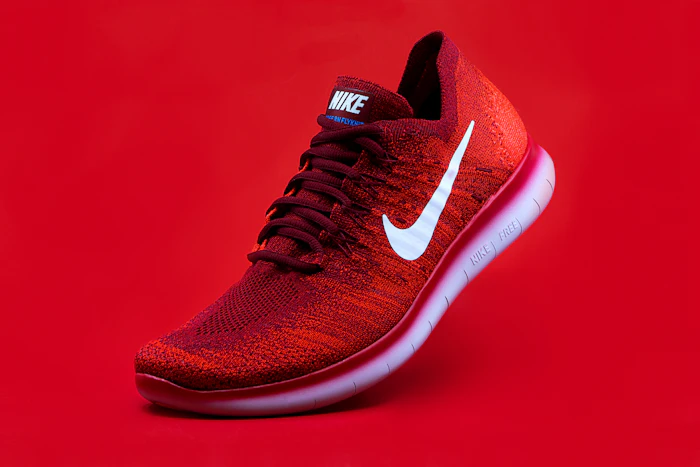
Nike — carbon-plated super shoes, built for race pace
Independently tested pace gains · Save for race day, not daily mileage
Daily trainer vs tempo vs race shoe — what each is built for, when you actually need a specialty shoe, and the 2026 models worth the premium price.
Running shoe marketing wants every runner to believe they need a quiver of specialty shoes immediately. In reality, the vast majority of runners — including most people training for their first 5K through marathon — are well served by one good daily trainer for a long time before a second pair earns its place.
The three-type framework (daily trainer, tempo, race shoe) exists because each is genuinely optimized for a different job — cushioned durability for easy miles, responsiveness for faster training, and maximum energy return for race day specifically. Knowing which job you actually need solved is the whole decision.
Three jobs, three genuinely different builds.
| Type | Best For | Cushioning | Weight | Typical Lifespan |
|---|---|---|---|---|
| Daily Trainer | Everyday mileage, durability | High | 9-11oz | 400-500 miles |
| Tempo Shoe | Faster training runs, workouts | Moderate, responsive | 7-9oz | 300-400 miles |
| Race Shoe | Race day, carbon plate | Max + plate | 6-8oz | 100-150 miles, race-day only |
The table tells you the specs. This is what each shoe actually feels like underfoot.
Most runners only ever need to work through steps 1-3.
Where the higher price tag actually correlates with a real performance or durability gain.
| Category | Notable Model Type | Why It's Worth It |
|---|---|---|
| Daily Trainer | Max-cushion daily trainers | Genuine durability and comfort gains justify the price for high-mileage runners |
| Tempo Shoe | Nitrogen-infused foam tempo shoes | Noticeably better energy return than older foam compounds |
| Race Shoe | Carbon-plated super shoes | Measurable pace improvement backed by independent testing |
New or casual runner — one solid daily trainer covers nearly everything you'll need. Regular structured training — add a tempo shoe once workouts become a consistent part of your week. Competitive racer chasing a PR — a race-day super shoe is worth the splurge, used sparingly and never as a training shoe.
Most runners overbuy specialty shoes before they've actually earned them with consistent mileage — the daily trainer is doing more work than people give it credit for.
View Our Full Running Shoe RankingsNot at first — a single good daily trainer handles the vast majority of runs for most people. A second shoe type starts earning its place once you're running structured workouts or racing competitively on a regular basis.
Track actual mileage rather than relying on visible wear — midsole foam typically breaks down well before the outsole looks damaged. Most daily trainers should be replaced in the 400-500 mile range.
Generally no for daily training — their short lifespan and reduced stability make them a poor fit for everyday mileage. They're built specifically for the limited, high-intensity context of race day.
Stack height is the physical thickness of material under your foot; cushioning describes how that material actually feels and performs (soft, firm, responsive). Two shoes can share a stack height and feel completely different depending on the foam used.
Not necessarily — max cushioning is generally forgiving and beginner-friendly for easy mileage. The bigger consideration for beginners is overall fit and comfort over any specific cushioning category.
Quality daily trainers commonly run in a moderate price range that reflects genuine durability and cushioning technology — paying significantly more usually buys marginal comfort gains rather than proportionally more mileage life.
You can, but it will wear out faster than a dedicated daily trainer and offers less protective cushioning for high-volume easy mileage. It works better as a complement to a daily trainer than a full replacement for one.


This guide covers the decision framework — our category page covers current pricing and model-by-model comparisons across every brand we've reviewed.