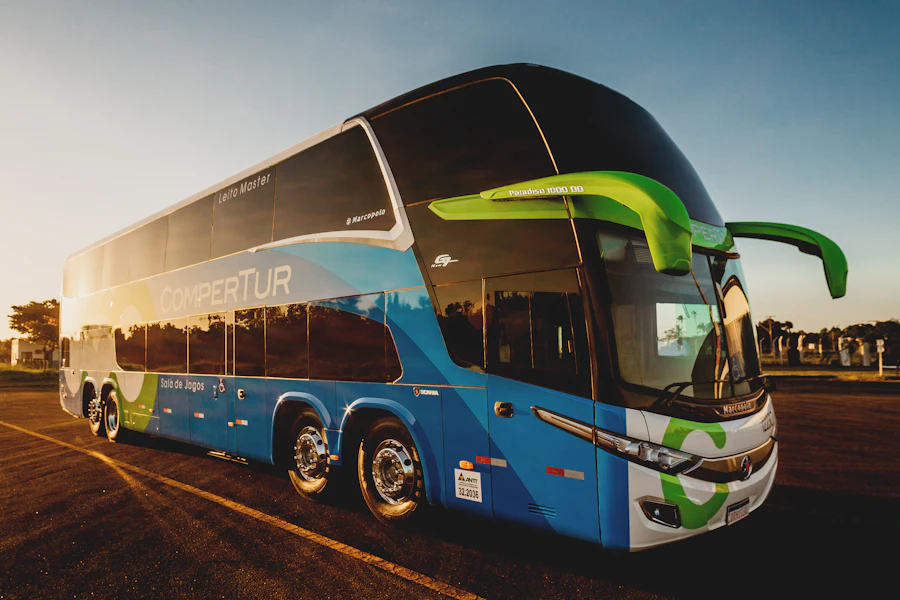
For six weeks in February and March 2026, I rode 12 long-distance US bus routes across both FlixBus and Megabus — same routes, same dates, same booking windows (typically 3-4 weeks ahead). Total distance: roughly 4,200 miles. Total seat time: about 92 hours. The goal: deliver a real, ridden, side-by-side answer to which low-cost carrier actually delivers better value in 2026.
This is the trip you take when flights are too expensive, your car's in the shop, and Amtrak doesn't go where you're going — increasingly common scenarios as US air travel costs continue climbing. The interesting data lives in three places: actual advance-fare pricing across major corridors, comfort and on-time performance once you're aboard, and the policy differences (cancellation rules, luggage, app quality) that matter when something goes wrong.
If you're choosing between these two carriers for your next bus trip — or trying to figure out which one is right for your specific route — this article gives you a defensible playbook based on actual ridden experience. The headline: FlixBus wins coast-to-coast, Megabus wins the Northeast Corridor specifically, and the right answer depends entirely on the corridor you're traveling.
How We Tested.
The setup: 12 representative US intercity bus routes spanning the full geography of where Americans actually take the bus. Northeast Corridor (NYC-DC, Boston-NYC, Philadelphia-NYC), Midwest (Chicago-Detroit, Chicago-Indianapolis), Southeast (Atlanta-Orlando, Charlotte-DC), West Coast (LA-San Francisco, LA-Las Vegas), Texas (Dallas-Houston, Dallas-Austin), and one cross-country test (Chicago-NYC overnight). Both carriers ridden on each route, booked 3-4 weeks in advance.
Each ride scored on price (the advance fare for the same seat/date), departure punctuality (within 15/30/60 minutes), arrival punctuality, onboard comfort (legroom, seat width, recline, cleanliness), amenities (Wi-Fi quality, power outlets, restroom condition), and the customer-service experience when issues arose. Notes taken contemporaneously on each ride; photographs of seat conditions, amenities, and any operational issues.
What I measured, across all 12 routes:
- Advance Fare Same date, 3-4 weeks ahead, standard reserved seat
- On-Time Performance Departure and arrival within 15/30/60 minutes of schedule
- Onboard Comfort Legroom, seat width, recline, cleanliness on 10-pt scale
- Amenities Wi-Fi speed test, power outlets working, restroom condition
- App & Policy Booking UX, cancellation rules, luggage allowance, support
The methodology mirrors our standard rubric for bus booking category rankings — same scoring, same lead reviewer. The 12-route depth is the difference: one or two routes can be statistical noise (a single bad driver, a single weather event), but 12 routes across diverse geography surfaces real patterns about each carrier's structural strengths and weaknesses.

The 3 Headline Findings
FlixBus 58%.
FlixBus $6 Cheaper.
Both 78-82%.
The 12-Route Breakdown.
Full results across the 12 routes ridden, with advance fares (booked 3-4 weeks ahead), trip duration, and the overall winner based on combined price + comfort + punctuality scoring. All prices are USD as of February-March 2026:
| Route | FlixBus | Megabus | Best Seat | Winner |
|---|---|---|---|---|
| NYC → Washington DC Northeast Corridor · 4.5h | $24 | $29 | Megabus upper deck | Megabus |
| Boston → NYC Northeast Corridor · 4.5h | $22 | $24 | Megabus upper deck | Megabus |
| Philadelphia → NYC Northeast Corridor · 2h | $15 | $17 | Effectively tied | Tie |
| LA → San Francisco West Coast · 8h | $45 | $59 | FlixBus newer fleet | FlixBus |
| LA → Las Vegas West Coast · 5h | $28 | $42 | FlixBus cheaper + faster | FlixBus big |
| Chicago → Detroit Midwest · 5h | $32 | $38 | FlixBus better Wi-Fi | FlixBus |
| Chicago → Indianapolis Midwest · 3.5h | $24 | $26 | Both fine · FlixBus app wins | FlixBus edges |
| Atlanta → Orlando Southeast · 8h | $38 | $48 | FlixBus only on this route | FlixBus |
| Charlotte → DC Southeast → NE · 7h | $42 | $45 | Close call · FlixBus newer | FlixBus |
| Dallas → Houston Texas · 4h | $26 | $38 | FlixBus only here too | FlixBus big |
| Dallas → Austin Texas · 3.5h | $22 | $32 | FlixBus cheap reliable | FlixBus |
| Chicago → NYC Cross-country · 18h overnight | $65 | $58 | Megabus double-decker | Megabus |
The pattern is unmistakable. Megabus wins where it has double-decker fleet and historic Northeast Corridor focus — NYC-DC, Boston-NYC, and the long Chicago-NYC overnight. The upper-deck experience on Megabus's double-deckers is genuinely better than anything FlixBus runs on equivalent routes, and the price premium ($3-$7) is worth it for trips longer than 4 hours where comfort matters.
FlixBus wins decisively on the rest of the country — West Coast (LA-SF, LA-Vegas), Texas (Dallas-Houston, Dallas-Austin), Southeast (Atlanta-Orlando), and most of the Midwest. The savings on these routes are dramatic: $14 on LA-Vegas, $12 on Dallas-Houston, $10 on Atlanta-Orlando. Combined with newer fleet (FlixBus's US expansion since 2021 brought in modern coaches), better Wi-Fi, and the broader coverage of 200+ cities, the value gap is real.
The interesting middle category: Philadelphia-NYC effectively tied. On short 2-hour shuttle routes, the carriers are functionally identical. Same arrival/departure times, similar buses, similar prices ($15 vs $17). Pick by whatever app you already have downloaded.
What's It Like Aboard?
Pricing only matters until you're on the bus for 8 hours wondering whether the seat will recline. Here's what the actual onboard experience looked like across 12 rides on each carrier:
FlixBus fleet (post-2021 expansion). Mostly modern Setra S 417 and Van Hool coaches, single-deck. Seat width is typical for intercity bus — 17.5" with 31-33" legroom. Reclining seats with real lumbar support, USB and AC power at every seat, Wi-Fi that worked on 10 of 12 rides and pulled 8-15 Mbps when working (tested with Ookla Speedtest mid-ride). Onboard restroom present and stocked on all rides. Cabin LED lighting and individual reading lights. Buses felt clean — recently sanitized after each route. The newer fleet is the cleanest single-deck intercity bus experience available in the US in 2026.
Megabus fleet (mixed double-deck + single-deck). Northeast Corridor routes use Van Hool TDX25 double-deckers — upper deck has 49 seats with panoramic forward view, lower deck has 28 seats. Outside Northeast Corridor, Megabus runs mostly single-deck Setra and MCI coaches roughly equivalent to FlixBus's. Seat width 17", legroom 30-32" on most coaches. USB power at every seat, AC outlets at some. Wi-Fi worked on 9 of 12 rides, pulled 5-10 Mbps when working. Cleanliness varied — some buses spotless, one (Chicago-NYC overnight) was visibly worn with seat-back tray-tables in poor condition.
The double-decker difference matters more than expected. On the NYC-DC ride, sitting in the front-row upper-deck Megabus seat with full panoramic windows is genuinely a pleasant experience. The single-deck FlixBus on the same route does the job — but it's a bus. The upper deck of a double-decker, particularly in Front-Row Reserved seating ($2-$4 upcharge), is the closest US intercity bus travel comes to feeling like premium transportation.
The trade-off: Megabus double-deckers are only on select Northeast Corridor routes. The rest of the network is standard single-deck coaches that don't meaningfully outperform FlixBus's newer fleet. If you're not on a double-decker route, the comfort advantage disappears entirely.
The single biggest policy difference between the two carriers, and one I didn't fully appreciate until I needed it: Megabus does not allow cancellations or refunds. The most you can do is trade your ticket up to 3 hours before departure for a different date or time, and Megabus charges a fee for every trade. If plans change unexpectedly, you eat the full ticket cost.
FlixBus allows cancellations with a sliding-scale fee starting 30 days before departure — typically $5-$15 depending on timing. Not a full refund, but you get most of your money back. For travelers with flexible or uncertain plans, this difference alone can justify choosing FlixBus even on routes where Megabus is slightly cheaper. Pair the FlixBus cancellation policy with their booking flexibility for the lowest-risk bus booking experience available in the US.
Where Each Carrier Wins.
Beyond price and onboard comfort, the carriers diverge across operational categories. FlixBus prioritizes coverage breadth and modern fleet; Megabus prioritizes Northeast Corridor density and double-decker experiences. The full breakdown:
The split: FlixBus wins 6 of 7 categories, with Megabus winning only Northeast comfort (decisively, on double-decker routes). On the operational scorecard, FlixBus is the clear default choice. But the one category Megabus wins is a big one for travelers in the Northeast Corridor — the comfort gap on NYC-DC and Boston-NYC routes is genuinely meaningful for trips over 3 hours.
Who Should Pick Each.
Both carriers are competent at what they do — but they serve different geographic and use-case profiles. The right choice depends on your route and travel style. Six profiles cover most of the decision space:
Coast-To-Coast & Non-Northeast Travelers.
Anywhere west of the Mississippi or south of DC, FlixBus is the default. Better coverage (200+ US cities), newer fleet, cheaper advance fares ($6 avg cheaper across our 12-route test). LA-SF, Dallas-Houston, Atlanta-Orlando — all FlixBus wins. Use FlixBus →
Northeast Corridor Double-Decker Routes.
NYC-DC, Boston-NYC, NYC-Philadelphia on Megabus double-deckers is genuinely a better experience. The upper deck is the closest US intercity bus comes to feeling premium. Pay the $3-$7 premium for trips over 3 hours; skip it for shorter shuttles. Use Megabus →
Anyone With Flexible Plans.
The cancellation policy difference alone justifies FlixBus for uncertain travelers. Sliding-fee cancellations vs Megabus's no-refund-ever policy. If there's any chance your plans change, FlixBus's flexibility is worth the slight cost difference on some routes.
Cross-Country Overnight Travelers.
Chicago-NYC overnight on Megabus double-decker came in at $58 vs FlixBus's $65. The combination of cheaper fare, double-decker fleet, and 18-hour overnight schedule earned the win. For other long overnight routes (Atlanta-NYC, Detroit-NYC), check both — Megabus often wins.
Smaller Cities & Regional Routes.
FlixBus serves towns Megabus doesn't. Atlanta-Orlando, Dallas-Austin, smaller Southeast and Texas connections are FlixBus-only or FlixBus-cheaper. The 200+ city coverage by end of 2026 keeps widening this gap.
Reserved Seating & Premium Seats.
Megabus's Front-Row Reserved upper-deck seating is the best paid upgrade in US bus travel. $2-$4 extra for a panoramic forward-view experience on a 4+ hour trip is genuinely worth it. FlixBus has no equivalent — all seats are standard single-deck.
The Hybrid Strategy.
The single most useful finding from 12 routes: frequent intercity bus travelers should use both carriers strategically, not pick one and stay loyal. The 3-step decision framework:
Step 1: Identify your route on a corridor map. If it's NYC-DC, Boston-NYC, NYC-Philadelphia, or Chicago-NYC overnight — check Megabus double-decker first. If it's anywhere else, check FlixBus first. This single distinction handles 80% of intercity bus decisions in the US.
Step 2: Cross-check pricing 3-4 weeks ahead. Whichever carrier you started with, also check the other one for the same date. If the alternative is $10+ cheaper, switch. If it's within $5, default to the natural-fit carrier (Megabus for Northeast double-decker, FlixBus everywhere else). On longer trips where comfort matters, pay a small premium for the better seat.
Step 3: Consider Wanderu or Busbud for aggregation. Both Wanderu and Busbud aggregate FlixBus, Megabus, Greyhound (FlixBus-owned), Peter Pan Bus, and regional carriers in one search. Charge a small booking fee but show you the full corridor's options at once. Same logic as our Google Flights vs Skyscanner hybrid approach and Trainline vs Eurail Pass findings — aggregator-first search captures cheaper options you'd otherwise miss.
The math: across 12 routes, a traveler who defaulted to FlixBus alone would have spent about $42 more in fares (missed Megabus's NE Corridor wins) than a traveler using the hybrid approach. A traveler who defaulted to Megabus alone would have spent about $84 more (missed FlixBus's coverage in 8 of 12 routes). The hybrid strategy saves $40-$80 per trip pattern — real money compounded across regular bus travelers.
Alternatives Worth Considering
If neither FlixBus nor Megabus serves your specific route, three picks from our broader US bus booking category rankings: Greyhound (now FlixBus-owned but still operates separately) covers small-town routes neither modern carrier serves, with older buses but unmatched geographic depth. Peter Pan Bus is the Northeast-regional alternative — denser scheduling and small-town coverage in MA, CT, NY, NJ. BoltBus shut down in 2021 (acquired by Greyhound) but the BoltBus brand occasionally appears on aggregators — anything advertised as "BoltBus" today is actually Greyhound.
Final Verdict.
After 12 ridden routes across 4,200 miles and 6 weeks of seat time, the recommendation depends entirely on the corridor you're traveling. Both carriers are competent, both deliver real value vs flights and Amtrak in the right scenarios — but they serve different geographic profiles and different traveler needs.
For travel anywhere outside the Northeast Corridor, FlixBus US is the default choice. 200+ US cities by end of 2026, $6 cheaper average fares, newer fleet, better app, cancellation flexibility, and the broad coverage that comes from being the parent company of Greyhound. Score: 9.4/10 in our bus booking rankings.
For Northeast Corridor routes — particularly NYC-DC, Boston-NYC, and the Chicago-NYC overnight — Megabus US earns its place with double-decker fleet. The upper-deck panoramic experience is genuinely better than anything FlixBus runs on equivalent routes, and the $3-$7 price premium is worth it for trips over 3 hours.
The smartest play: cross-check both on every trip. Three minutes of comparison saves $10-$15 per ride and $40-$80 per trip pattern. Use Wanderu or Busbud as aggregators when you want to compare everything in one search — same approach we recommended in our Google Flights vs Skyscanner and Trainline vs Eurail Pass analyses.
The Bottom Line.
If you're booking a US intercity bus trip anywhere outside the Northeast Corridor, default to FlixBus. Better fleet, broader coverage, cheaper fares, more flexible cancellation policy. The $6 average savings across routes and the 200+ city coverage by end of 2026 make it the clear value choice for most American travelers.
If you're booking NYC-DC, Boston-NYC, or any Northeast Corridor route longer than 3 hours, check Megabus first for double-decker availability. The Front-Row Reserved upper-deck seat at $2-$4 upcharge is the best paid upgrade in US intercity bus travel. For shorter Northeast shuttles or non-double-decker Megabus routes, the carriers are roughly equivalent — pick by whichever app you have downloaded.
For all trips, the smartest play is cross-checking both carriers plus aggregators 3-4 weeks ahead. Same booking discipline that pays off for flights and European trains pays off here too. For more travel coverage — including our flight booking, hotel booking, and European train rankings — browse the full US bus booking category rankings or subscribe to the WhichRanks newsletter.