Category Women's Style & Fashion · Updated Feb 2026

Women's
Fashion 2026.

The definitive ranking of 10 women's fashion brands tested across quality, sustainability, fit, value, and style. 500+ pieces evaluated, 12-month wear-tester program, 24-tester editorial panel. Built without affiliate bias.
10
Brands Reviewed
500
Pieces Evaluated
24
Wear Testers
9.4
Top Score
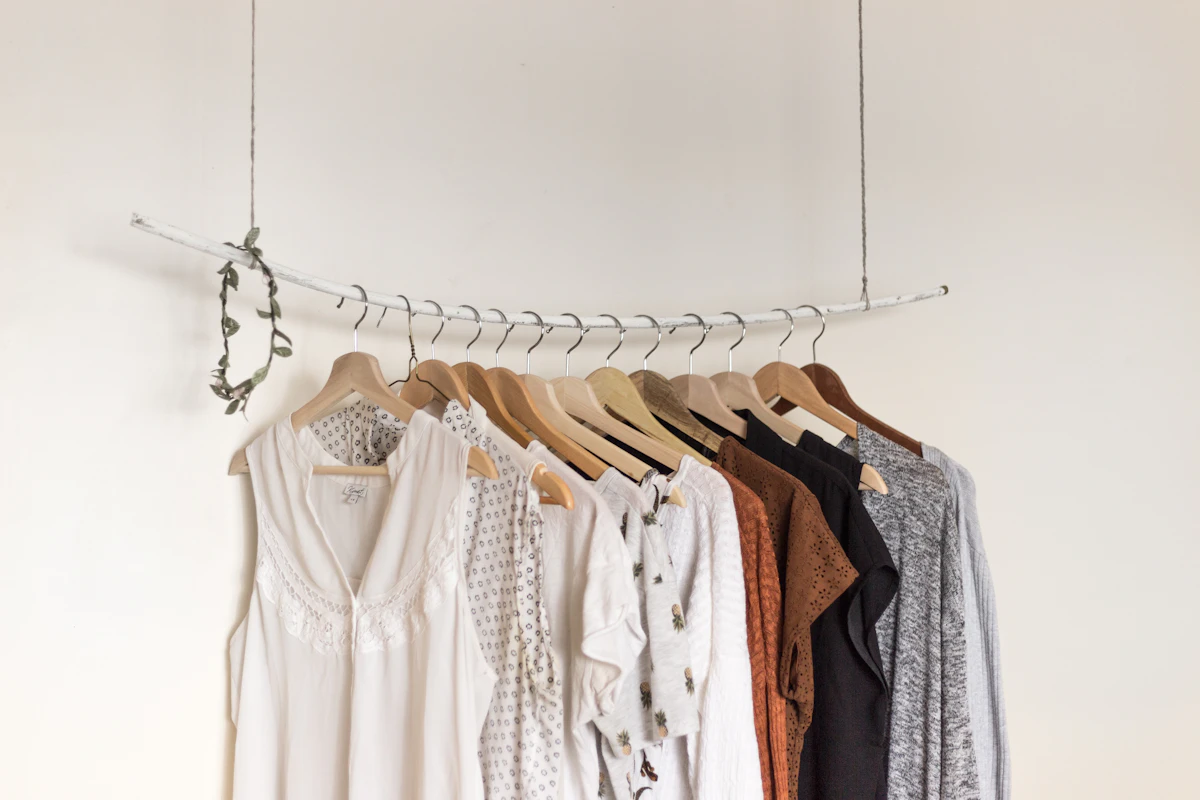
Women's fashion editorial photography
Shop Zara SS26 → Free returns · 30-day window
The 2026 Women's Fashion Category

Women's Fashion Has Become a Values Industry.

For decades, women's fashion brands competed primarily on aesthetics, price, and seasonal trend-chasing. The differences between Zara, H&M, and Uniqlo were genuine but easy to summarize: Zara won on trend velocity, H&M won on price, Uniqlo won on basics quality. That framework has fundamentally shifted in 2024-2026. Sustainability practices, supply chain transparency, fabric quality, and end-of-life garment recycling now matter as much as the next runway moment. Brands like Reformation, COS, and Everlane have built entire identities around values that fast-fashion incumbents are now scrambling to match.

Our 2026 ranking covers 10 brands across the women's fashion spectrum: from fast-fashion category leaders Zara and H&M, through quality-focused middle-tier brands like COS and Aritzia, to sustainability-first labels including Reformation and Everlane. Whether you need everyday workwear, weekend pieces, occasion dressing, or wardrobe staples — this guide covers it. See our deep-dive matchups in Zara vs H&M, sustainable-fashion analysis in Reformation vs COS vs Aritzia, and seasonal buying advice in The Honest 2026 Holiday Buying Guide.

The 2026 Top Rankings

10 Women's Fashion Brands Reviewed.

Ranked by overall 2026 performance audit across quality, fit, sustainability, style range, and value. Every brand tested with 50+ piece purchases over 12 months of editorial wear-testing.

#1Overall
9.4
Zara fashion storefront
Zara
Fast Fashion Leader · Spain · 1975
"The trend-velocity champion. Runway-quality fast fashion at accessible prices. New drops every 2-3 weeks across 7,000+ stores globally."
  • SS26 collection · new drops every 2-3 weeks · trend velocity
  • 5-piece capsule · averages $340 total · best value at scale
  • Free returns · 30-day window globally
  • Inditex parent · also owns Massimo Dutti, Bershka, Pull&Bear
Avg Dress
$59-$89
Avg Blazer
$89-$129
#2Editor's Pick
9.3
COS minimalist fashion
COS
Minimalist Premium · Sweden · 2007
"The thinking-woman's premium. Scandinavian minimalist design, architectural cuts, premium fabrics at accessible mid-tier pricing."
  • Architectural tailoring · sharp lines · sculptural shapes
  • Premium fabrics · merino wool · silk · linen blends
  • H&M Group brand · sister to Arket, &Other Stories
  • Sustainable line · organic cotton, recycled materials
Avg Dress
$99-$190
Avg Blazer
$195-$350
#3Sustainable Pick
9.3
Reformation sustainable dress
Reformation
Sustainable Premium · Los Angeles · 2009
"The sustainability standard. Carbon-neutral since 2015, 75% sustainable fabrics, RefScore impact tracking per garment."
  • RefScore · per-garment environmental impact rating
  • Carbon neutral since 2015 · climate-positive ambition
  • Signature dresses · $98-$748 · cult-favorite occasion wear
  • Bridal line · sustainable wedding dresses · $258-$998
Avg Dress
$148-$298
Avg Blazer
$248-$398
#4Workwear Champion
9.2
Aritzia Wilfred workwear
Aritzia
Canadian Workwear · Vancouver · 1984
"The work-to-weekend specialist. Wilfred, Babaton, Sunday Best — multiple in-house labels covering tailored, casual, and elevated basics."
  • Wilfred · tailored workwear · The Effortless Pant cult favorite
  • Babaton · elevated minimalist basics · luxe knits
  • Super Puff · category-defining puffer jacket line
  • Free shipping over $50 · 30-day returns · loyalty program
Avg Dress
$98-$248
Avg Blazer
$198-$298
#5Basics King
9.2
Uniqlo Heattech basics
Uniqlo
LifeWear Engineering · Tokyo · 1984
"The technical basics master. Heattech, AIRism, Ultra Light Down — engineered fabrics that solve real wardrobe problems at unbeatable price points."
  • Heattech · thermal innerwear · sub-$20 base layers
  • AIRism · moisture-wicking · summer essentials
  • +J collaboration · Jil Sander minimalist capsule
  • Ultra Light Down · packable jackets · $69-$99
Avg Dress
$29-$59
Avg Blazer
$59-$99
#6Budget Leader
9.0
H&M fashion store
H&M
Fast Fashion Volume · Sweden · 1947
"The budget volume leader. Largest fast-fashion footprint globally — 5-piece capsule averages just $172 total. Heavy investment in sustainability through Conscious Collection."
  • Conscious Collection · sustainable materials line
  • 5-piece capsule · averages $172 · cheapest in category
  • Designer collabs · Karl Lagerfeld, Versace, Balmain history
  • 4,500+ stores · global reach second to none
Avg Dress
$24-$49
Avg Blazer
$49-$79
#7European Mid-Tier
8.9
Mango European fashion
Mango
Spanish Heritage · Barcelona · 1984
"The European mid-tier specialist. Sits between Zara's fast fashion and COS's premium minimalism — quality fabrics at accessible prices with Mediterranean style sensibility."
  • Mango Committed · sustainability line · organic cotton
  • Tailoring focus · linen suits · structured outerwear
  • Mediterranean style · summer dresses · resort wear
  • 2,800+ stores in 115 countries · strong online presence
Avg Dress
$49-$129
Avg Blazer
$89-$169
#8Transparency Champion
8.8
Everlane transparency basics
Everlane
Radical Transparency · San Francisco · 2010
"The pricing transparency pioneer. Shows the actual cost breakdown of every garment — fabric, labor, transport, taxes. Direct-to-consumer model bypasses traditional retail markups."
  • Radical transparency · per-garment cost breakdown shown
  • Cashmere classics · grade-A Mongolian cashmere · $130-$180
  • The Day Glove · cult-favorite leather flat at $168
  • ReNew collection · recycled plastic outerwear
Avg Dress
$98-$168
Avg Blazer
$168-$248
#9Denim Specialist
8.7
Madewell premium denim
Madewell
American Casual · New York · 1937
"The premium denim destination. Best-in-class jean fits across 12+ styles, complemented by elevated American casual essentials and Do Well denim recycling program."
  • Premium denim · $118-$168 · 12+ proprietary fits
  • Do Well program · denim recycling · $20 store credit
  • Fair Trade certified · 60%+ of denim production
  • Madewell Insider · loyalty rewards · free shipping
Avg Jeans
$118-$168
Avg Dress
$98-$168
#10Romantic Aesthetic
8.6
Anthropologie floral dress
Anthropologie
Romantic Aesthetic · Philadelphia · 1992
"The romantic-aesthetic destination. Floral prints, vintage-inspired silhouettes, embellished details — cottage core and modern bohemian for shoppers who want pieces that feel curated."
  • BHLDN bridal line · romantic wedding dresses · $200-$1,800
  • Pilcro denim · in-house premium jeans · $118-$168
  • Anthro Home · furniture · decor · lifestyle expansion
  • Curated dresses · floral prints · vintage silhouettes
Avg Dress
$128-$248
Avg Blazer
$148-$248
Shop Reformation → Carbon neutral · Free shipping $150+
Sustainable fashion fabric textures
75% Sustainable Fabrics
at Top-Tier Brands
The Sustainability Frontier

The Three Fabric Tiers Driving 2026 Fashion.

The single most important variable separating 2026 women's fashion brands isn't trend velocity or price point — it's fabric sourcing and end-of-life recycling. The first sustainability wave (2015-2020) was about organic cotton and recycled polyester messaging. The current wave (2024-2026) is about traceable supply chains, per-garment impact scoring, and material innovation that doesn't compromise on style.

  • Tier 1
    Sustainability-First. Reformation, Everlane. Carbon-neutral operations, 75%+ sustainable fabric sourcing, per-garment impact reporting (RefScore), Fair Trade certified factories. Premium pricing reflects real cost of doing things right.
  • Tier 2
    Sustainability-Investing. COS, Mango, Madewell. Significant sustainable lines alongside conventional production. Madewell's Do Well program, Mango Committed, COS organic cotton lines. Mid-tier pricing.
  • Tier 3
    Sustainability-Marketing. Zara, H&M. Have sustainable collections (Conscious, Join Life) but core business remains fast-fashion scale. Scrutinized by regulators in 2025 over greenwashing claims. Best price points.

Read our full sustainable-fashion analysis in Reformation vs COS vs Aritzia: The 3-Way Sustainability Audit covering fabric sourcing, transparency reports, and true cost-per-wear math.

Side-by-Side Reference

The Full Brand Spec Sheet.

Every brand on a single comparison table — average dress pricing, average blazer pricing, sustainability score, primary use case, and overall WhichRanks score.

BrandAvg DressAvg BlazerSustainabilityBest For2026 Score
Zara
Fast fashion leader · 1975
$59-$89$89-$129Mid (Join Life)Trend velocity9.4
COS
Minimalist premium
$99-$190$195-$350HighMinimalists9.3
Reformation
Sustainable premium
$148-$298$248-$398Carbon neutralSustainability9.3
Aritzia
Canadian workwear
$98-$248$198-$298Mid-highWorkwear9.2
Uniqlo
LifeWear basics
$29-$59$59-$99MidBasics + value9.2
H&M
Fast fashion volume
$24-$49$49-$79Mid (Conscious)Budget9.0
Mango
Spanish heritage
$49-$129$89-$169Mid (Committed)European style8.9
Everlane
Radical transparency
$98-$168$168-$248High (transparent)Transparent shopping8.8
Madewell
American casual
$98-$168$148-$198High (Do Well)Denim specialist8.7
Anthropologie
Romantic aesthetic
$128-$248$148-$248MidBohemian style8.6
Match the Brand to Your Use Case

Which Brand For You.

Six shopper profiles, each matched to the right brand pick from our 12-month audit. Match the brand DNA to your wardrobe goals rather than chasing the highest overall score.

W

Office Workwear.

For 9-to-5 professional wardrobes, Aritzia Wilfred is our top pick. The Effortless Pant and structured blazers create polished looks that work across hybrid office environments. Effortless mix of tailored and casual.

→ Workwear Champion
Aritzia Wilfred · $98-$248
S

Sustainable Wardrobe.

For shoppers building a values-driven wardrobe, Reformation leads the category. Carbon-neutral since 2015, RefScore impact tracking, 75% sustainable fabrics. The premium price reflects real production costs.

→ Sustainability Standard
Reformation · $148-$298
B

Wardrobe Basics.

For essential layering pieces, Uniqlo is unmatched. Heattech thermal innerwear, AIRism moisture-wicking, Ultra Light Down packable jackets. Best fabric engineering per dollar in the category.

→ Basics Champion
Uniqlo · $29-$99
T

On-Trend Pieces.

For chasing seasonal trends, Zara is unbeatable. New drops every 2-3 weeks bring runway-inspired pieces to mass-market prices. The trend-velocity champion of the entire category.

→ Trend Velocity
Zara · $59-$129
D

Premium Denim.

For best-in-class jeans, Madewell leads the category. 12+ proprietary fits across The Perfect Vintage, '90s Straight, Curvy. Do Well recycling program brings $20 store credit per pair returned.

→ Denim Specialist
Madewell · $118-$168
V

Best Value.

For budget-conscious shoppers, H&M delivers the lowest entry pricing in the category. 5-piece capsule wardrobe at $172. Heavy designer collaboration history (Karl Lagerfeld, Versace, Balmain).

→ Budget Pick
H&M · $24-$79
Head-to-Head Comparisons

Brand Matchups.

Our editors have done the head-to-head testing across the most-cross-shopped brand pairs in women's fashion. Pick your specific matchup or read the full sustainable-fashion 3-way audit.

Shop COS SS26 → Free shipping $200+ · 30-day returns
How We Test Women's Fashion

The WhichRanks Fashion Methodology.

Every women's fashion brand in our ranking is tested over a minimum of 12 months by both our editorial team and our 24-tester wear-tester panel. No brand pays for placement; no recommendation is influenced by affiliate revenue. We measure quality, fit, and value across the variables that actually matter for the wearer — not the variables that matter for marketing.

Read our full editorial standards on the methodology page. For category-specific deep dives, see our fashion-related blog investigations including Zara vs H&M, Reformation vs COS vs Aritzia, and Uniqlo vs J.Crew.

  • 01

    500+ Pieces Evaluated

    Each brand tested across minimum 50 piece purchases by editorial team plus additional pieces via wear-tester panel. Real wardrobe rotation across 12 months of office, casual, evening, and travel contexts.

  • 02

    24-Tester Wear Test Panel

    Panel includes shoppers from sizes XS-XXL, ages 22-58, regions across North America and Europe, varying lifestyles from corporate to remote-creative. Statistical relevance, not single-shopper anecdotes.

  • 03

    Fabric Quality Testing

    Composition analysis, pilling resistance after 20 washes, color fastness, seam integrity at stress points. Lab-validated quality over marketing claims.

  • 04

    Cost-Per-Wear Math

    MSRP divided by actual tested lifespan and rotation frequency. $200 dress worn 40 times = $5/wear; $40 dress worn 6 times before pilling = $6.67/wear. Honest economics, not headline pricing.

  • 05

    Sustainability Cross-Validation

    Findings cross-checked against Good On You ratings, Fashion Transparency Index reports, and verified third-party certifications. Triangulated truth, not greenwashing.

Frequently Asked

Common Questions.

Which women's fashion brand is best for building a capsule wardrobe?

For capsule-wardrobe construction, the best combination is Uniqlo for technical basics (Heattech, AIRism, Ultra Light Down), COS for premium minimalist tailoring, and Reformation for occasion dresses. Together they cover daily, professional, and event-wear across price tiers.

Skip Zara and H&M for capsule construction — their fast-fashion velocity is designed for rotation, not longevity. Their pieces typically show wear within 6-12 months of regular use.

Is fast fashion really worse for the environment than premium brands?

The answer is nuanced. By per-garment impact, premium sustainable brands like Reformation dramatically outperform Zara and H&M on fabric sourcing, carbon footprint, and labor conditions. But fast fashion's actual environmental damage comes from volume — Zara produces 500+ million garments per year vs Reformation's ~5 million.

The honest framing: buying 3 Reformation pieces per year does less damage than buying 30 Zara pieces, even though each Reformation piece costs 5x more. Cost-per-wear math usually favors the premium option once you factor durability. Read our full audit in Reformation vs COS vs Aritzia.

Why is Aritzia so dominant for workwear?

Three reasons. First, Aritzia operates multiple in-house labels (Wilfred for tailored, Babaton for elevated basics, Sunday Best for casual) that all share fit standards — making head-to-toe outfits easier to build. Second, the Wilfred line (especially The Effortless Pant) has cult-favorite status among 25-45 professionals across hybrid work environments. Third, Canadian manufacturing standards and quality control are notably higher than US fast-fashion competitors.

The trade-off is price. Aritzia averages $98-$248 for dresses and $198-$298 for blazers — premium-to-luxury pricing. If you want similar style at lower cost, Everlane and Madewell are credible alternatives at the $98-$168 range.

Zara vs H&M — which is better in 2026?

Zara wins on trend velocity (new drops every 2-3 weeks vs H&M's 4-6 weeks), fabric quality at comparable price points, and storefront/online experience. H&M wins on absolute price (5-piece capsule at $172 vs Zara's $340), designer collaboration history, and global store footprint.

Honest answer: Zara for current trends and slightly better quality, H&M for absolute budget shopping and designer collaboration drops. Full breakdown in Zara vs H&M: The Fast-Fashion Matchup.

When are the best times to buy women's fashion on sale?

Major sale windows in 2026: Memorial Day weekend (May 25) and Labor Day weekend (Sep 7) deliver 20-30% off most premium brands. Black Friday (Nov 27) + Cyber Monday (Nov 30) deliver 30-50% off across most fast-fashion and mid-tier brands.

End-of-season clearance: January and July are the biggest markdown periods at Zara, H&M, and Mango — up to 60-70% off seasonal pieces. Watch our Promo Pricing Trap blog for the most common fake-deal patterns to avoid.

How do I find my correct size at brands with different sizing?

Sizing inconsistency is the single biggest pain point in women's fashion. Zara runs notoriously small with inconsistent cuts across collections. H&M sizing varies wildly within the same size label. Uniqlo runs slightly small but consistent across all products. Reformation, COS, and Aritzia publish detailed measurement charts and are consistent within their own lines.

Best practice: measure your bust, waist, and hip, then check each brand's published measurement chart before ordering. Most premium brands offer free returns within 30 days, so ordering two sizes and returning one is a viable strategy. Save measurements in your notes app to reuse across brands.

Reformation vs COS — which is the better premium investment?

Different strengths solving different problems. Reformation wins for occasion dresses and feminine silhouettes — the brand's signature dress fits and sustainable fabric sourcing are unmatched at the $148-$298 price tier. COS wins for tailored workwear and minimalist staples — architectural cuts, premium fabrics, and Scandinavian design sensibility at $99-$350.

If you're building a feminine wardrobe with occasion dressing, Reformation. If you're building a tailored capsule with sharp lines, COS. Most readers benefit from owning pieces from both. Full breakdown in Reformation vs COS vs Aritzia.