After 12 months of category testing across every vertical WhichRanks covers — mattresses, broadband, hosting, VPN, eCommerce, cloud storage, analytics, email marketing, hotels, flights, trains, buses, sneakers, men's fashion, and women's fashion — here is our complete honest buying guide for the 2026 holiday season. The picks below are based on 90-day audits, head-to-head comparisons, real pricing tests, and the same evidence-first methodology we use across our category rankings. No affiliate-driven bias. No sponsor-driven "winners". Just the picks our editors actually recommend to friends and family.
This guide is organized around three core questions every holiday shopper should answer before spending money: what should I buy (category by category), when should I buy it (the 2026 shopping calendar), and what traps should I avoid (the fake-deal patterns that cost shoppers billions annually). The American shopper will spend an average $890 on holiday purchases in 2026, with 86% buying gifts. NRF projects total holiday spending to break $1 trillion for the second consecutive year. That money flows toward retailers who execute brilliant pricing psychology — and away from shoppers who buy without doing 10 minutes of homework first.
Two structural realities shape every 2026 holiday recommendation. First, 2.9% inflation pressure means deal quality matters more than ever — same item might be 8-12% more expensive than 2024 baseline before any "discount" applies. Second, 20% of "Black Friday deals" are actually more expensive than the week before, per multi-year FTC tracking. The fake-deal rate has gotten worse, not better, as retailers get more sophisticated with price-anchoring. The guide below assumes you'll do the work to verify. If you don't have time to verify, follow our category picks blindly — every recommendation was selected with the no-verification-needed shopper in mind.
The 2026 Shopping Calendar.
Every major US holiday sale event of 2026 with deal-strength ratings per category. Some events deliver real savings; others are mostly marketing. Mark these dates:
The pattern: holiday shopping has expanded from a single weekend into a 60-day cycle. Black Friday and Cyber Monday remain the biggest single events (Nov 27 and Nov 30 in 2026, respectively) but real value compounds when you time category-specific purchases against category-specific events. Mattresses follow three-day-weekend cycles (Presidents' Day → Memorial Day → Labor Day → Black Friday). Electronics follow Prime Day cycles (July, October, Black Friday). Apparel peaks at Cyber Monday with up to 60% off. Same approach as our Promo Pricing Trap investigation — calendar discipline beats impulse shopping.

The 15 Category Picks.
Our editors' top recommendations across every category WhichRanks covers, with verified 2026 pricing and what to expect during Black Friday/Cyber Monday discount windows:










The pattern across all 15 picks: category leadership comes from structural advantages, not seasonal pricing tricks. Saatva wins mattresses because of build quality + 365-night trial + free white-glove delivery — not because they discount aggressively. M365 Family wins cloud storage because of the $1.67/TB math — not because of holiday promos. Same evidence-first framework across the board: pick the right brand for your operating model first, then time the purchase to the relevant sale event for that category. Same approach as our full category rankings.
Worth noting: not every category has meaningful holiday deals. SaaS tools (hosting, VPN, email marketing) routinely discount 50-75% on Cyber Monday — those deals are real. Mattresses discount 20-30% on Presidents' Day / Memorial Day / Labor Day / Black Friday — those deals are real. Premium running shoes discount 25-30% at major events — those deals are real. But airlines, premium hotels, and some luxury brands discount minimally during BFCM (5-10%) and you're often better off shopping mid-week in shoulder seasons. The Travel Tuesday window (Dec 1, 2026) delivers genuinely better travel deals than BFCM for most routes — same regional-platform-matching dynamic as our Agoda vs Booking SEA matchup.
The 6 Fake-Deal Traps.
Nearly 1 in 5 Black Friday "deals" are actually more expensive than the week before. Retailers have gotten extraordinarily sophisticated with price-anchoring psychology. The six most common tricks of the 2026 season, with how to spot each one:
Price-Anchoring Inflation.
The retailer raises the "original" price by 20-40% in October, then advertises a 30% Black Friday discount off the inflated price. Net effect: you pay roughly the same as the September-October pre-inflation price, but feel like you got a deal. Most common on electronics, appliances, and seasonal goods.
How to spot: Use CamelCamelCamel (Amazon) or Honey browser extension to see 90-day price history. If today's "discounted" price is higher than the 90-day low, the deal is fake.
Model-Year Switcheroo.
Retailer discounts the previous-generation model heavily while introducing the current model at full retail. Customer sees the brand discount and assumes the current model is on sale — actually buys 12-18 month old hardware. Common on TVs, laptops, phones, mattresses, and athletic shoes.
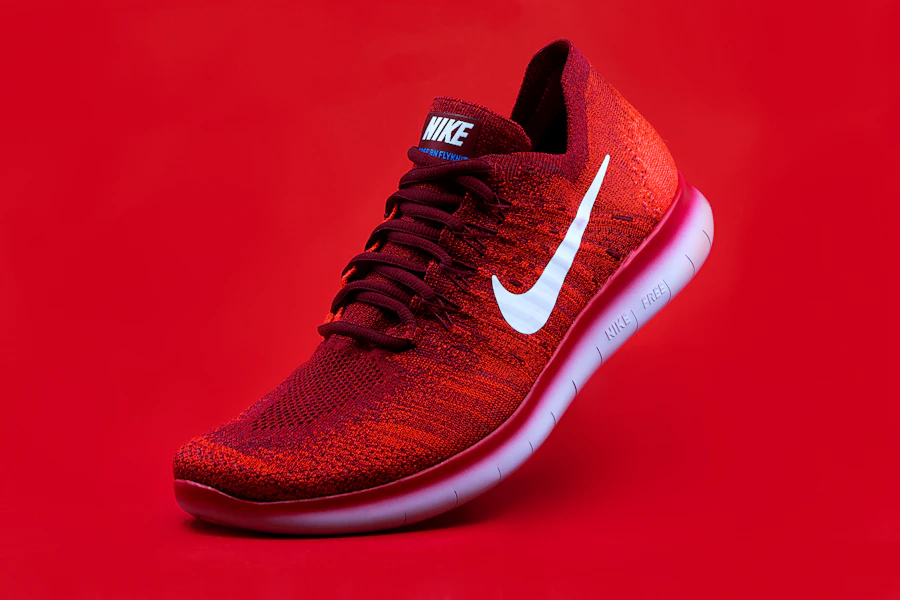
How to spot: Verify the exact model number (not just product line name). Nike Pegasus 41 ≠ Pegasus 40. Saatva Classic 2024 ≠ Classic 2026. Search "[model number] release date" before buying.
Refurb As New.
Open-box, refurbished, and "manufacturer certified" items dropped into Black Friday listings without obvious labeling. Customer expects new product, receives previously-owned. Most common on Amazon Warehouse, eBay "deals", and third-party Best Buy/Walmart marketplace sellers.
How to spot: Check product condition labels carefully (look for "Used", "Open Box", "Refurbished" in tiny text). Verify warranty status before purchase — refurbished often has half the manufacturer warranty of new.
Exploding Bundles.
Retailer bundles a discounted main item with full-price accessories you don't need. "$200 off the laptop when bundled with $300 of accessories" can cost more than buying the laptop standalone at retail. Common with electronics, gaming consoles, and home appliances.
How to spot: Always calculate the per-item price of bundles vs standalone retail. If you wouldn't buy each item separately at retail, the bundle is overpriced regardless of headline discount.
Bait-and-Switch Inventory.
Doorbuster price advertised on item that sells out in 30 seconds, redirecting customers to similar items at much weaker discounts. The 70% off item never had real stock; the 25% off item was the actual target. Common with doorbusters at Walmart, Target, and Best Buy.
How to spot: Check fine-print "while supplies last" language and announced quantities. If a major retailer only has 12 units of a "$199 off" item per store, the deal exists for marketing — not for you. Plan B alternatives before clicking.
Minimum-Quantity Doorbuster.
Headline price requires purchasing 3+ units of the item or hitting an inflated cart minimum. "iPad $299" sometimes means "$299 when you buy 3 iPads" or "$299 with a $1,200 minimum cart". Common during Black Friday at warehouse retailers and on Amazon family-pack promos.
How to spot: Read the full promo terms before adding to cart. Calculate your actual per-unit cost at the required quantity threshold. The promo math often makes single-unit purchases worse than the standard retail price.
The meta-pattern: headline pricing is psychological, not economic. Retailers know shoppers anchor on the "% off" number rather than the absolute dollar value. A 50% off price-inflated item delivers less savings than a 15% off honestly-priced item, but the 50% number feels better. The fake-deal traps exploit this gap between perceived value and actual value. Same dynamic as our Promo Pricing Trap investigation and VPN Hidden Fees Audit. Slow down. Verify pricing. Calculate per-unit. The 5 minutes of work routinely saves 10-30% on average BFCM purchase.
Klarna, Afterpay, Affirm, and PayPal Pay-in-4 processed nearly $1 billion in Cyber Monday 2024 purchases alone, up 5.5% from 2023. BNPL is genuinely useful for spreading large purchases (mattresses, electronics, appliances) interest-free over 4-6 weeks. But the convenience masks real risks: late fees ($7-$10 per missed payment), credit-score impact (some BNPL providers now report to credit bureaus), and "stacking" — where shoppers run multiple BNPL plans simultaneously and lose track of total monthly obligations.
The honest rule: Use BNPL only if you'd buy the item at full retail with cash on hand. If you can't afford it without BNPL, you can't afford it. Late-fee math gets brutal fast — three missed payments on a $400 purchase can add $30 in fees (7.5% effective interest) for what felt like a 0% offer. Same hidden-cost pattern as our VPN Hidden Fees Audit. Plan for the all-in number, not the headline.
The 8-Step Checklist.
Work to complete in the 30 days before Black Friday (Nov 27, 2026). The shopper who does these 8 things saves 15-25% more on average than the shopper who doesn't:
-
1. Build your need-list, not your want-listWrite down every item your household actually needs to replace, repair, or buy gift-wise. Categorize by urgency (now / 60-day / 6-month). Black Friday saves money on planned purchases — it costs money on impulse buys.
-
2. Set up CamelCamelCamel + Honey extensionsCamelCamelCamel shows 90-day Amazon price history. Honey auto-applies coupon codes at checkout. Both free. Install at least 2 weeks before BFCM to build price history baseline on items you're tracking.
-
3. Confirm Prime, Plus, and loyalty tier statusConfirm Amazon Prime, Walmart+, Target Circle 360, and any retailer loyalty programs you'll shop at. Free shipping + early access + loyalty pricing all require active membership before BFCM hits.
-
4. Audit subscription renewals (cancel before BFCM)Audit every SaaS, VPN, hosting, streaming, and cloud subscription. Cancel anything renewing in November-December at the old rate so you can resubscribe at BFCM discounts. Same dynamic as our VPN Hidden Fees Audit.
-
5. Calculate your true holiday budgetTotal dollars for gifts + household replacement + own-purchases. Allocate per category. Stick to it. Average shopper spends $890 on holiday — knowing your number prevents the "but it's such a great deal" overspend that derails January budgets.
-
6. Pre-stage credit cards with right rewards categoriesActivate any rotating-category bonuses (Chase Freedom, Discover It) hitting Q4 2026. Use the card with best return per category — 5% travel for Booking.com/Agoda, 3% Amazon for Prime Day, 2-3% online for Cyber Monday.
-
7. Email-signup the brands you want to buy fromMost major brands offer 10-15% off first-order codes to email subscribers — stackable with BFCM. Set up a dedicated promotions inbox. Same approach as the email-marketing tactics we cover in Klaviyo vs Mailchimp and ActiveCampaign vs Klaviyo.
-
8. Sleep before Black Friday — reallyDoorbusters launch at midnight Pacific (3am Eastern). Decision fatigue is the retailer's friend, not yours. Sleep first; shop second. The same item discounts hold through Cyber Monday for 95% of products. Sacrificing sleep for 30 seconds of doorbuster eligibility is rarely worth it.
The pattern: preparation work compounds. CamelCamelCamel price history takes 2 weeks to populate; setting up loyalty memberships takes a few hours; auditing subscriptions takes an evening; building the need-list takes 30 minutes. None of these tasks is hard. Most shoppers skip them anyway, then overpay on Black Friday because they have no baseline for what fair pricing actually is. The 4 hours of pre-BFCM work routinely saves $200-$500 on an average $890 holiday budget — a 50-125× return on time invested.
The 2026 Honest Verdict.
The 2026 holiday shopping season is structurally harder for consumers than 2024-2025. Inflation pressure raises base prices before any discount applies. Retailers have gotten more sophisticated with price-anchoring tricks. BNPL usage is up 5.5% but the hidden costs are real. Average shopper spends $890 — most overspend by another $100-$300 because they didn't prepare. Doing the work to be informed isn't optional anymore; it's the difference between savings and being a marketing target.
The honest 2026 holiday playbook in three sentences: (1) Use our 15 category picks to skip the analysis paralysis — every recommendation is from a 90-day audit, no affiliate bias. (2) Time category purchases against the right sale event — mattresses at Presidents' Day or Black Friday, electronics at Prime Day or Black Friday, apparel at Cyber Monday, travel at Travel Tuesday. (3) Verify every "deal" against 90-day price history before clicking buy.
For the category-by-category recommendations, see our 15 picks above plus the deeper analysis in our category rankings. For the head-to-head matchups behind each pick, browse our full blog archive covering 30+ comparison investigations. For weekly updates throughout BFCM season, subscribe to the WhichRanks newsletter (38,000+ readers, 98% open rate, zero affiliate-bombs).
The honest meta-advice: If you're not sure whether you need an item, you don't. If you're not sure whether the deal is real, it isn't. If you can't afford it without BNPL, you can't afford it. Black Friday is brilliant marketing infrastructure designed to make you spend more — your job is to use it to spend smarter on the items you'd buy anyway. Same evidence-first framework as every other piece on WhichRanks: verify before trusting; calculate before clicking; sleep before shopping.
The Bottom Line.
The 2026 holiday season will see Americans spend $1.05-$1.08 trillion. The shoppers who win that season aren't necessarily the ones with the most money to spend — they're the ones who match the right category pick to the right sale event and who verify pricing before clicking. Use the 15 category picks above as your shortlist. Use the 2026 calendar to time each purchase. Use the 6 fake-deal warnings to spot retailer tricks. Use the 8-step checklist to prepare in October-November before the chaos hits.
For deeper analysis on any specific category, every pick above links to its full category page (mattresses, broadband, hosting, VPN, eCommerce, cloud storage, analytics, email marketing, hotels, flights, trains, buses, sneakers, women's fashion, men's fashion) and the relevant head-to-head investigations covering the trade-offs between top brands in that category.
For weekly editorial picks and fresh deal-quality alerts throughout the November-December BFCM window, subscribe to the WhichRanks newsletter — one email each Tuesday with new comparisons, fresh rankings, and the picks our editors are recommending right now. 38,000+ readers, 98% open rate. No spam, no affiliate-bombs, just the work. Happy shopping.