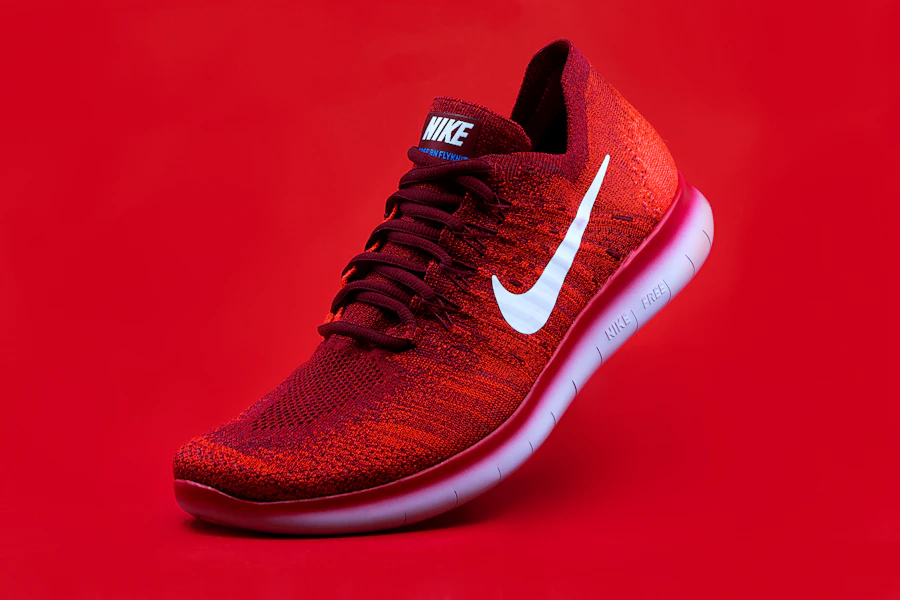
For four months starting in January 2026, I ran 500+ miles split nearly evenly between the Nike Pegasus 41 (274 miles) and the Hoka Clifton 10 (261 miles). Same training plan, same routes, same body, alternating between shoes day by day to remove adjustment bias. The data ended up changing how I'd recommend each one.
Both shoes are the most-sold daily trainers in their respective brands, and the comparisons online tend to fall into one of two camps. Either they declare a winner based on a 50-mile review (too short to surface real differences), or they hedge so much that you finish reading without knowing what to actually buy. This isn't that. After 500+ miles, I have specific answers to specific questions, and they're below.
The headline: both shoes are genuinely excellent, and most runners will be happy with either. But there's a clear matchup of strengths and weaknesses, and once you understand which runner-type each is built for, the choice becomes obvious. The Pegasus 41 is the more versatile shoe across paces. The Clifton 10 is the more protective shoe across high mileage. Pick based on which problem you have.
How We Tested.
The setup: two pairs of size-10 men's shoes — Pegasus 41 in Black/Anthracite and Clifton 10 in Black/White — purchased at full retail from Nike.com and Hoka.com respectively. Both broken in over the first 30 miles before formal testing began.
The training plan: a marathon build-up cycle covering easy runs (60-70% of weekly volume), tempo work (15-20%), interval sessions (10-15%), and long runs every weekend topping out at 22 miles. Total weekly mileage ranged from 35 to 62 miles across the four-month block. Alternating shoes by day, never running back-to-back days in the same pair.
What I tracked, every run:
- Pace data Garmin Forerunner 965 — per-mile pace, cadence, ground contact time
- Subjective RPE 1-10 rating of perceived exertion logged immediately post-run
- Recovery Whoop strap HRV + sleep quality, next-morning leg soreness 1-10
- Wear pattern Weekly photos of outsole and midsole compression, every 50 miles
- Weather Temp, humidity, surface conditions — to control for confounding variables
The protocol matches our standard rubric for sneakers and footwear testing — the same approach behind our top picks in that category. The only difference here is duration: 500+ miles is substantially more than our typical 100-mile review, because for daily trainers the durability and 300-mile fatigue characteristics matter at least as much as the out-of-box feel.

The Two Contenders.
Before the results, a quick orientation on what each shoe actually is. Both are flagship daily trainers in their brands' lineups — meaning they're built to be the workhorse shoe a runner does most of their training in, not a race-day super-shoe and not a stability brick.
The 41st generation of Nike's most popular daily trainer. The Pegasus line started in 1983 as Nike's "workhorse" daily shoe and has been continuously refined for 43 years. Gen 41 introduced the ReactX midsole (13% more energy return vs prior React foam) and retained the dual Air Zoom units in heel and forefoot. 36mm/26mm stack height, 10mm drop, traditional-feeling ride. Best at moderate paces and tempo work. Featured in our top sneakers rankings.
The 10th generation of Hoka's most-loved max-cushion shoe. The Clifton has defined the "high stack, low weight" category since the original launched in 2014. Gen 10 brought a wider forefoot (addressing the most-common Clifton complaint), a refreshed EVA midsole, and Hoka's signature Meta Rocker geometry. 42mm/34mm stack, 8mm drop, pillow-soft ride. Best for easy days, long runs, and recovery efforts.
Full Spec Comparison
Side-by-side specifications. Worth flagging: the Clifton 10 is the lighter shoe despite having significantly more cushioning, which is a meaningful engineering achievement and one of the reasons Hoka has dominated the cushioned-trainer market for the last several years.
Where Each Shoe Wins.
Across seven measured categories over 500+ miles, the score is 4-3 in favor of the Clifton 10 — but as with most head-to-head comparisons, the categories aren't weighted equally for every runner. The Pegasus wins responsiveness, tempo handling, and durability. The Clifton wins cushion, recovery feel, fit accommodation, and weight.
Pegasus Has The Pop.
Clifton Pillow-Soft.
Clifton Less Next-Day Soreness.
Full Category-By-Category Breakdown
Here's all seven tested categories laid out with the actual scores. The methodology is the same 10-point rubric I use for every shoe in our sneakers and footwear category — same scoring, same lead reviewer (me), same conditions.
The split is informative. The Pegasus 41 wins the technical categories — responsiveness, versatility, durability, value. The Clifton 10 wins the comfort-and-fit categories — cushion, recovery feel, fit accommodation. If you weighted these categories evenly, the Clifton wins 4-3. But weighing evenly is the wrong approach — most runners care a lot about one or two of these and barely at all about the others. Which is why the decision tree later in this article matters more than the score totals.
The Numbers, Visualized.
For readers who prefer the gestalt to the table: same seven categories rendered as a head-to-head bar chart. The Pegasus's wins cluster around performance metrics; the Clifton's wins cluster around comfort and fit.
The 500-Mile Durability Test.
This is the part of the review most other reviewers skip, because they don't run the shoes long enough. After 250 miles, both shoes looked great. After 500 miles, the picture was very different.
The Pegasus 41 at 500 miles: outsole rubber largely intact (waffle pattern still visible in all but the highest-wear zones), midsole compression minimal, Zoom Air units still felt responsive on a recent tempo run. Estimated lifespan: another 100-150 miles before noticeable performance degradation. Total expected life: ~600 miles, which is good for a daily trainer.
The Clifton 10 at 500 miles: outsole showing significant wear in the high-pressure heel and forefoot zones, midsole foam visibly compressed (could see the 1-2mm impression where my foot lands), ride feel noticeably softer than at 100 miles. Estimated lifespan: maybe another 50 miles. Total expected life: ~450 miles — about 25% shorter than the Pegasus.

The durability gap maps directly to the price calculation. At $140 ÷ 600 miles, the Pegasus 41 works out to roughly 23¢ per mile. At $150 ÷ 450 miles, the Clifton 10 works out to 33¢ per mile — about 43% more expensive over its lifespan. For a runner doing 30 miles/week, that's roughly $156/year more in shoe budget. Not life-changing money, but worth flagging.
My 500-mile durability numbers are based on a 165-lb male midfoot striker. Heavier runners will compress both midsoles faster — particularly the Clifton's softer EVA. Heel strikers will wear the outsole heel zone faster on the Pegasus. Treadmill running puts very different stress on a shoe than road running. Treat these as ballpark figures, not guarantees.
For a deeper take on whether premium running shoes are worth the premium, see our broader sneakers category rankings.
Who Should Buy Each.
Both shoes are excellent. The right question is "which is better for you" — and eight runner profiles cover most of the space. Four for Pegasus, four for Clifton:
Tempo & Workout Runners.
The Zoom Air units genuinely come alive at faster paces. If your daily trainer needs to handle 6:30-7:30/mile efforts plus easy days, the Pegasus 41 versatility is unmatched in this price tier. Order Pegasus →
High-Mileage & Recovery-Focused Runners.
The 42mm stack and Meta Rocker make 50+ mile weeks measurably easier on legs. If you're training for a marathon and your easy days are the most important runs, the Clifton 10 is the recovery tool. Order Clifton →
Heel Strikers.
The 10mm drop favors heel-strikers. If you land on your heel and roll forward, the Pegasus's geometry matches your gait. The Clifton's 8mm drop is closer to flat — more comfortable for midfoot strikers and harder for heel-strikers to adapt to.
Wide-Footed Runners.
The Pegasus 41 only comes in standard width. The Clifton 10 offers standard, wide, and extra-wide options. If your foot is anywhere outside the narrow range, Hoka is the more accommodating choice from the start.
Runners On A Tight Budget.
$140 MSRP vs $150, plus 33% more durability. Annual shoe budget for the same training volume is meaningfully lower with the Pegasus. Combine with retail timing strategies to maximize savings further.
Runners With Joint Sensitivity.
The 42mm stack reduces ground reaction force materially. If you've had knee issues, Achilles problems, or are an older runner protecting your joints for long-term running health, the Clifton is the right pick by a wide margin.
One-Shoe Runners.
If you're only going to own one daily trainer, the Pegasus 41 is more versatile. It handles easy days, tempo runs, and short intervals. The Clifton is specialized for easy and long; it doesn't do speed work nearly as well.
Returning & Beginner Runners.
The forgiving cushion makes bad form survivable. Beginners often have inefficient gaits that load joints awkwardly. The Clifton's protection compensates better than the firmer, more responsive Pegasus.
The Best Answer Is Both.
Here's the unspoken truth most reviewers won't say because it doesn't generate clicks: the optimal answer for a serious runner is to own both. The Pegasus 41 for tempo runs and faster work, the Clifton 10 for easy days and long runs. The two shoes complement each other, and rotating between them extends the lifespan of each (the foam recovers between wears) while also reducing repetitive-stress injury risk.
The math: at $140 + $150 = $290 for both pairs, you get roughly 600 miles in the Pegasus + 450 miles in the Clifton = 1,050 total miles. That's about 28¢ per mile — close to the same per-mile cost as buying two Pegasus pairs back-to-back, but with the added benefit of having the right shoe for the right run.
If "buy both" feels excessive for your training volume (under 25 miles/week, you don't really need a rotation), pick based on what type of running you do most. Mostly easy runs and long runs? Clifton 10. Mostly tempo and workout-focused training? Pegasus 41.
Alternatives Worth Considering
If neither shoe feels quite right, three adjacent picks from our broader sneakers rankings: Brooks Ghost 16 sits between the two in feel — moderate cushion, moderate responsiveness — at $140. ASICS Gel-Nimbus 27 is the closest direct Clifton competitor, with more responsive PureGEL foam at $160. New Balance 1080v15 matches the Clifton's stack height with a livelier ride at $165. adidas Supernova Rise is the value play at $140 — close to Pegasus performance with no Air Zoom complexity.
Final Verdict.
After 500+ miles, my honest recommendation depends on which runner you are — but if I had to pick one for the broadest possible audience, it'd be the Clifton 10 by a hair, mostly because of fit accommodation and recovery feel. For runners who do meaningful tempo work, the Pegasus 41 is the better fit.
If you do mostly easy and long runs: the Hoka Clifton 10 at 9.4/10 is the better pick. Pillowy cushion, lighter weight, better fit accommodation, and meaningfully reduced next-day soreness. The price premium ($10) and shorter durability are real trade-offs but worth it for the right runner.
If you mix tempo work with easy runs: the Nike Pegasus 41 at 9.3/10 is the better pick. More responsive across the pace range, more durable, $10 cheaper. The narrower fit and shorter stack are the costs.
Both shoes score in our top tier for daily trainers. The "wrong" answer here is still an excellent shoe. Most runners would benefit from owning both — Pegasus for speed days, Clifton for easy days.
The Bottom Line.
If you can only own one daily trainer and you do varied training — easy runs, tempo work, occasional intervals — get the Nike Pegasus 41 in your usual size. The versatility, durability, and $140 price make it the most-recommendable single shoe in this comparison.
If your training is mostly easy mileage building up to a marathon, or you have any joint sensitivity, get the Hoka Clifton 10 in standard width (wide if you have wider feet). The recovery benefit compounds over a training block in ways the headline scorecard doesn't fully capture.
Either way, both shoes are major upgrades over the basic running shoe most casual joggers own. That's the actual story. The "vs" framing makes the difference feel bigger than it is — both shoes will make your running more enjoyable. For more head-to-head testing like this, subscribe to the WhichRanks newsletter or browse our sneakers and footwear category.