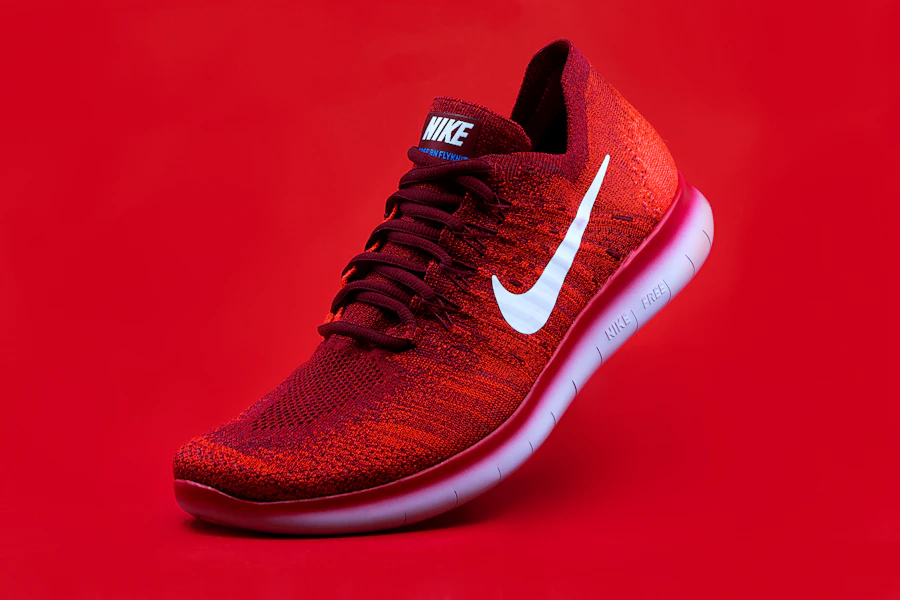
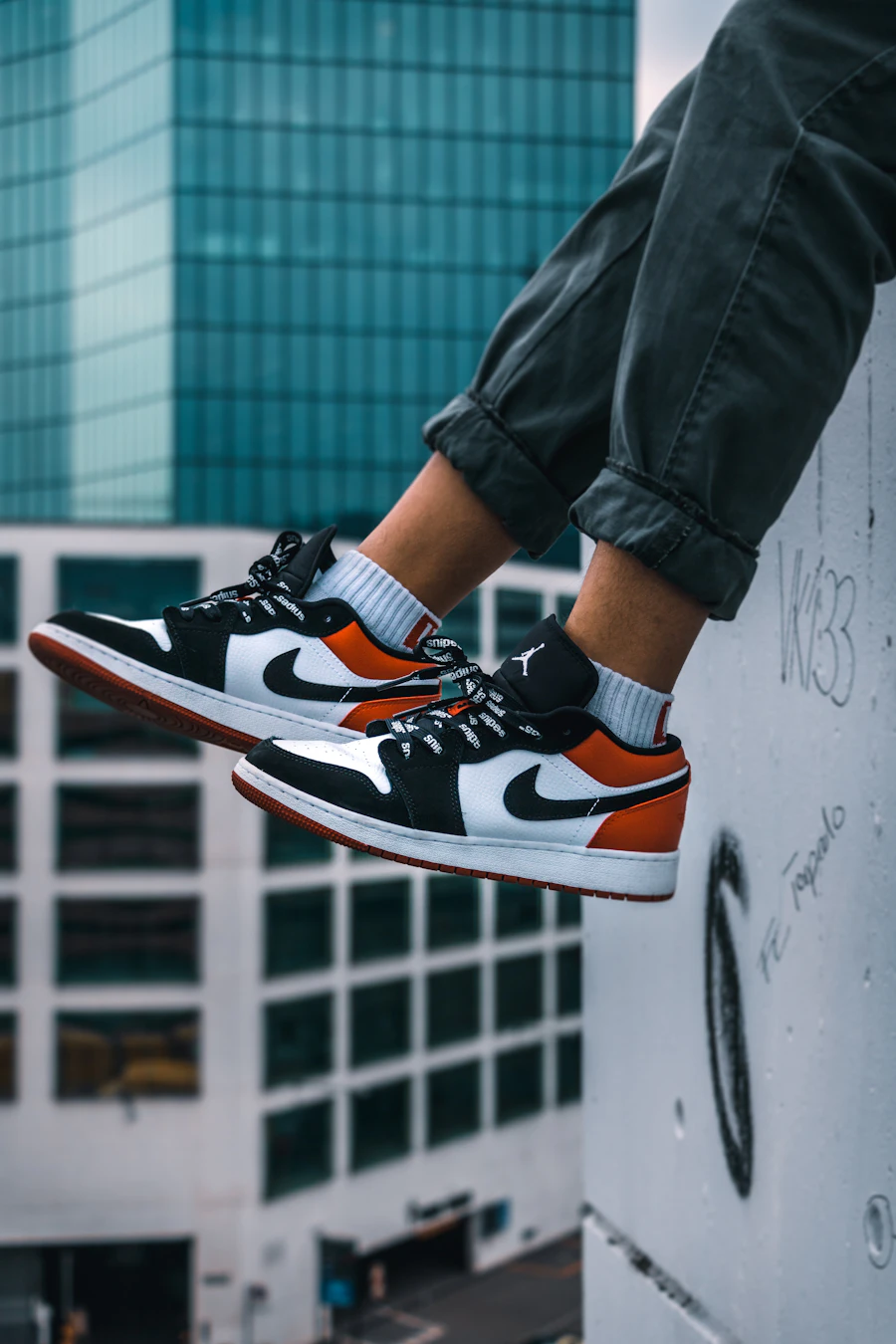
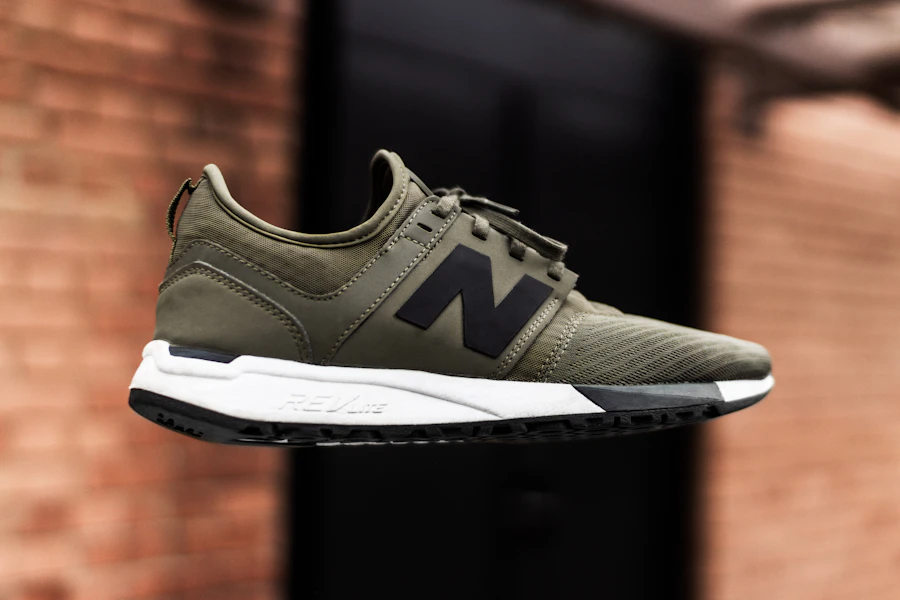
The definitive ranking of 10 sneaker brands tested across daily training, marathon racing, lifestyle wear, and trail running. 3,200+ miles logged, 6 marathons raced, 18-runner wear-tester panel. Built without affiliate bias.
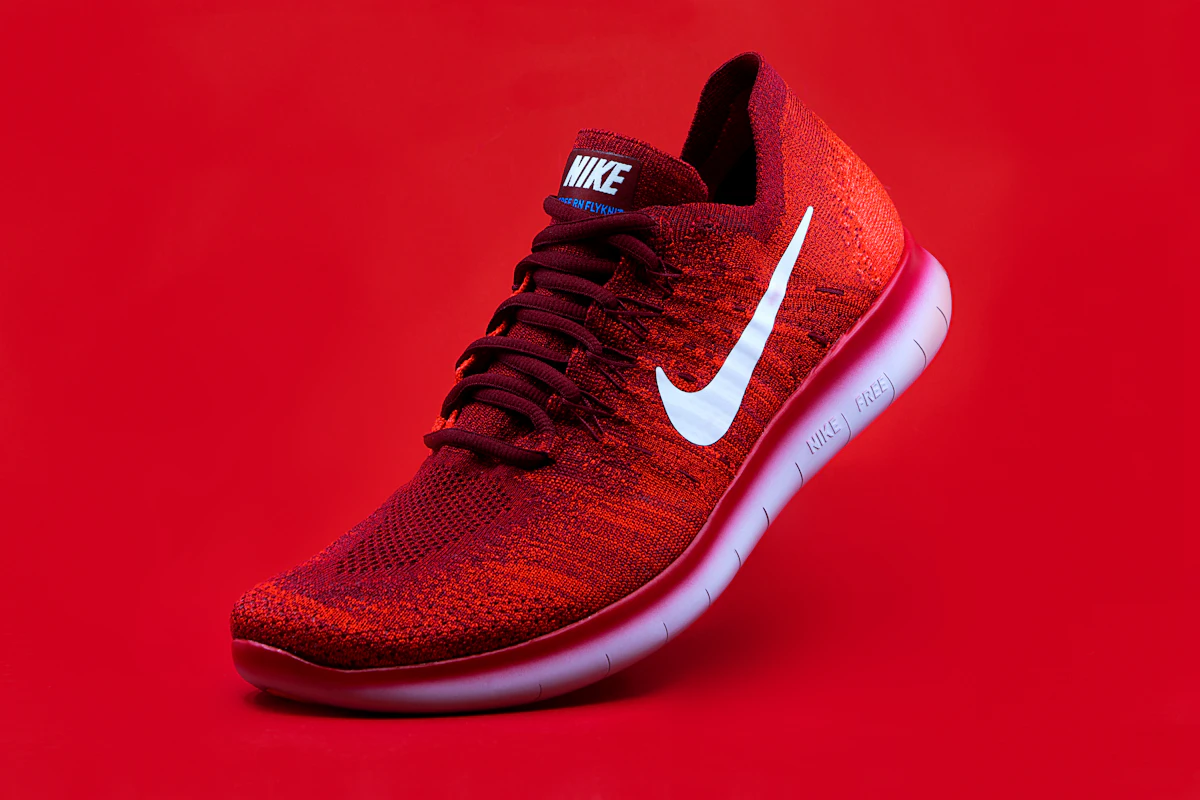
For decades, sneaker brands competed on aesthetics, sponsorship deals, and marketing budgets. The performance differences between Nike, Adidas, and Asics were genuine but modest. That changed dramatically when carbon-plated super shoes (Nike's Vaporfly prototype, 2017) demonstrated a measurable 4% running-economy improvement — and rewrote every distance running record in the years since. Today, sneaker innovation is happening at the materials-science and biomechanics frontier. PEBA midsoles, A-TPU foams, three-dimensional carbon plates, and sustainability-mandate upper construction. The category is now a tech industry.
Our 2026 ranking covers 10 brands across the performance footwear spectrum: from category leader Nike with its ZoomX foam dominance, through Adidas' Boost-then-Lightstrike heritage, to the premium specialists like Hoka (max cushioning), On Running (CloudTec aesthetics), and the underrated Japanese craftsmanship of Asics and Mizuno. Whether you need a daily trainer, marathon racer, lifestyle classic, or trail companion — this guide covers it. See our marathon-specific deep dive in The 2026 Marathon Super-Shoe Roundup, daily trainer matchup in Pegasus vs Clifton, and brand-level analyses in Adidas vs Nike and On Running vs Hoka.
Ranked by overall 2026 performance audit across daily trainers, racing shoes, lifestyle picks, and trail options. Every brand tested over 90+ days with our 18-runner wear-tester panel.
The single most important variable separating 2026 sneakers from 2018-2022 models is midsole foam chemistry. The first super-shoe revolution (2017-2020) was about PEBA foams replacing EVA. The current revolution (2024-2026) is about A-TPU and PEBA-blend foams replacing first-generation PEBA — lighter, bouncier, more durable per gram of material.
Read our full marathon-tech analysis in The 2026 Marathon Super-Shoe Roundup covering all 10 production super shoes and the carbon-plate technology that makes the foam work.
Every brand on a single comparison table — daily trainer pricing, flagship racer, technology stack, primary use case, and overall WhichRanks score.
| Brand | Daily Trainer | Race Shoe | Foam Tech | Best For | 2026 Score |
|---|---|---|---|---|---|
| Nike Category leader · 1964 | $140 | $285 | ZoomX (PEBA) | All-rounder | 9.5 |
| Asics Boston 2026 winner | $165 | $250 | FF Leap (A-TPU) | Race day | 9.5 |
| Adidas Elite specialist | $130 | $500 | Lightstrike Pro | Sub-2:30 elites | 9.4 |
| Hoka Max cushioning | $150 | $275 | PROFLY+ | Heavier runners | 9.3 |
| On Running Swiss design | $150 | $330 | Helion HF | Aesthetic + lifestyle | 9.2 |
| New Balance Width-fit leader | $165 | $250 | FuelCell (PEBA) | Wide/narrow feet | 9.1 |
| Saucony Endorphin underrated | $145 | $275 | PWRRUN HG (A-TPU) | Stability runners | 9.0 |
| Puma Dark horse · A-TPU | $120 | $280 | Nitro Elite (A-TPU) | Value + bounce | 8.9 |
| Brooks Running specialty | $140 | $260 | DNA Loft v3 | Daily training | 8.8 |
| Mizuno Japanese precision | $140 | $250 | Enerzy + Wave | Forefoot strikers | 8.6 |
Six runner profiles, each matched to the right brand pick from our 90-day audit. Match the brand DNA to your operating model rather than chasing the highest score.
For 30-50 miles/week of training, the Nike Pegasus 41 is our top pick at $140. ReactX foam, 100% recycled polyester upper, 24+ colorways. Most-versatile daily trainer across the category.
For sub-3:30 marathon racing, the Asics Metaspeed Sky/Edge Tokyo at $250 is the right pick. Boston 2026 14/20 top-10 sweep validates the dominance. Sky for forefoot, Edge for heel strikers.
For heavier runners (180lb+) or recovery days, the Hoka Bondi 9 delivers maximum stack height with rockered geometry. Best for joint preservation across high-mileage weeks.
For everyday wear, the Adidas Samba is the cultural moment of 2024-2026 at $100. 70-year heritage, infinite colorways, pairs with everything from suits to streetwear.
For trail and ultra distances, the Hoka Speedgoat 6 is the category gold standard. Vibram Megagrip outsole, max cushion stack, used in major ultra races worldwide.
For budget-conscious runners, the Puma Velocity Nitro 4 at $120 delivers premium-tier performance at entry-level pricing. Nitro foam, propulsive ride, frequently 30-40% off retail.
Every sneaker brand in our ranking is tested over a minimum of 90 days by both our editorial team and our 18-runner wear-tester panel. No brand pays for placement; no recommendation is influenced by affiliate revenue. We measure performance across the variables that actually matter for the runner — not the variables that matter for marketing.
Read our full editorial standards on the methodology page. For category-specific deep dives, see our sneaker-related blog investigations including the 2026 Marathon Roundup, Pegasus vs Clifton, and Adidas vs Nike.
Each brand tested across minimum 200 miles by editorial team plus additional miles via wear-tester panel. No five-minute treadmill tests. Real-world conditions across pavement, track, treadmill, and trail surfaces.
Panel includes runners from 5:00 mile to 10:00 mile pace, foot strike patterns from heel to forefoot, body weights 120-220lb, and shoe size US 7-13. Statistical relevance, not single-runner anecdotes.
Carbon-plated racers validated at 26.2-mile distance — Chicago, NYC, Valencia, CIM, Tokyo, Houston. Race-day performance over training-pace feel.
MSRP divided by actual tested lifespan. Pegasus 41 = $0.93/mile at 150-mile midsole life. Super shoes range $1-$4/mile. Honest economics, not headline pricing.
Findings cross-checked against RunRepeat lab data, Believe in the Run reviews, and World Marathon Major podium results. Triangulated truth, not echo chamber.
For first-time runners, Nike Pegasus 41 ($140) is our default recommendation. The versatile ride works for paces from walk-jog through marathon training. Brooks Ghost 16 ($140) is the running-specialty store default for a reason — most consistent fit profile and forgiving ride. Hoka Clifton 10 ($150) is the right pick if you prefer maximum cushioning.
Avoid carbon-plated super shoes as a beginner. They're race-day specialists optimized for sub-3:30 marathoners. For training runs, you want a daily trainer with broader stability and longer durability.
For sub-3:00 marathoners: yes. The 4% running-economy advantage translates to 4-8 minutes saved on a 3-hour marathon. Real money on the table.
For 3:00-4:00 marathoners: maybe. The benefit exists but is dwarfed by training quality, sleep, fueling, and pacing. Most age-group runners would gain more from a 12-week training block than a $250 shoe upgrade.
For 4:00+ marathoners: usually no. The biomechanical benefit decreases at slower paces. Buy a great daily trainer instead. Full breakdown in The 2026 Marathon Super-Shoe Roundup.
The traditional "300-500 mile lifespan" rule of thumb still applies for most daily trainers in 2026. Modern PEBA-blend foams typically deliver 350-450 miles before noticeable compression set. Premium models with denser EVA blends (Brooks Ghost, ASICS Gel-Nimbus) can push 500+ miles.
Nike Pegasus 41 tests at ~400 miles. Hoka Clifton 10 at ~350 miles. Brooks Ghost 16 at ~450 miles. Carbon-plated super shoes have dramatically shorter lifespans — 100-300 miles. Plan accordingly.
Top-end performance is genuinely converged in 2026. Nike wins on durability (Alphafly 3 lifespan), ecosystem depth (more model variety), and brand cachet. Adidas wins on elite race podium results (Adios Pro Evo 2 dominated Tokyo and Berlin 2026), lifestyle culture (Samba, Gazelle phenomenon), and lower entry pricing on daily trainers.
Honest answer: pick the one your foot prefers. Fit matters more than brand at the top tier. Full breakdown in Adidas vs Nike: The Empire Audit.
Major sale windows in 2026: Memorial Day weekend (May 25) and Labor Day weekend (Sep 7) deliver 20-30% off most running brands. Black Friday (Nov 27) + Cyber Monday (Nov 30) deliver 25-35% off across the board.
End-of-cycle clearance: when a brand releases a new model (e.g., Pegasus 42), the prior generation (Pegasus 41) typically discounts 40-50% within 60 days. Best buy if you're not picky about the latest version. Watch our Promo Pricing Trap blog for the most common fake-deal patterns to avoid.
Three reasons. First, Asics introduced the FF Leap A-TPU midsole foam in September 2025 — 15% lighter and 13.7% bouncier than first-generation PEBA foams used by Nike (ZoomX) and Adidas (Lightstrike Pro). Second, Asics's three-quarter carbon plate geometry provides more stability than competitor full-length plates without sacrificing propulsion. Third, the lineup is unusually deep — Sky for forefoot strikers, Edge for heel strikers, Ray for featherweight specialists.
Boston 2026: 7 of top 10 men + 7 of top 10 women wore Asics. The most dominant single-brand showing in modern marathon history. Full details in our 2026 Marathon Roundup.
Different DNAs solving different problems. Hoka wins for serious runners who want maximum cushioning and trail capability — the Speedgoat 6 dominates ultra-distance trail, the Clifton 10 leads daily-trainer cushion. On Running wins for lifestyle-conscious athletes who want Swiss design aesthetic, CloudTec branding recognition, and trendier colorways.
If you're spending $150-$180 on a daily trainer, Hoka delivers better running performance per dollar. On delivers better lifestyle versatility per dollar. Full breakdown in On Running vs Hoka.