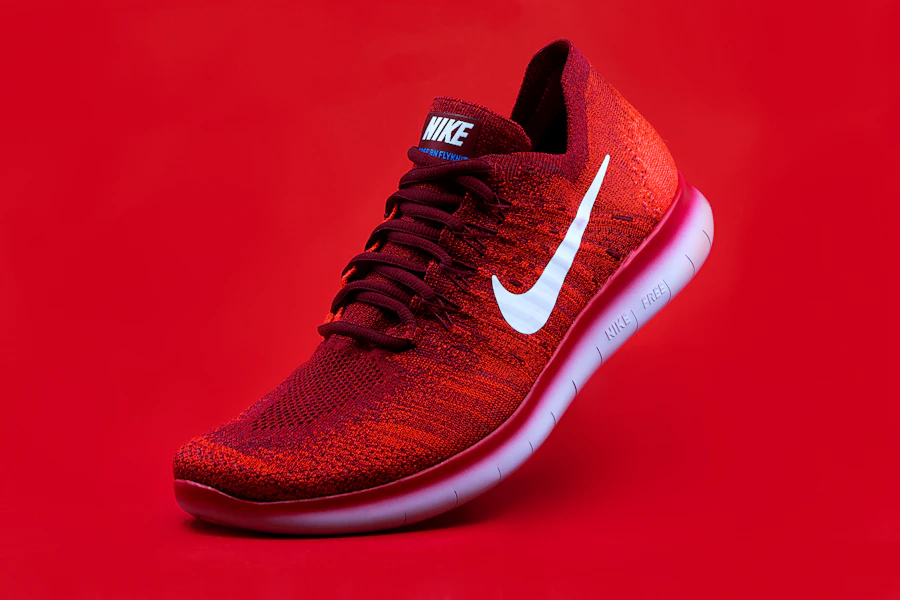
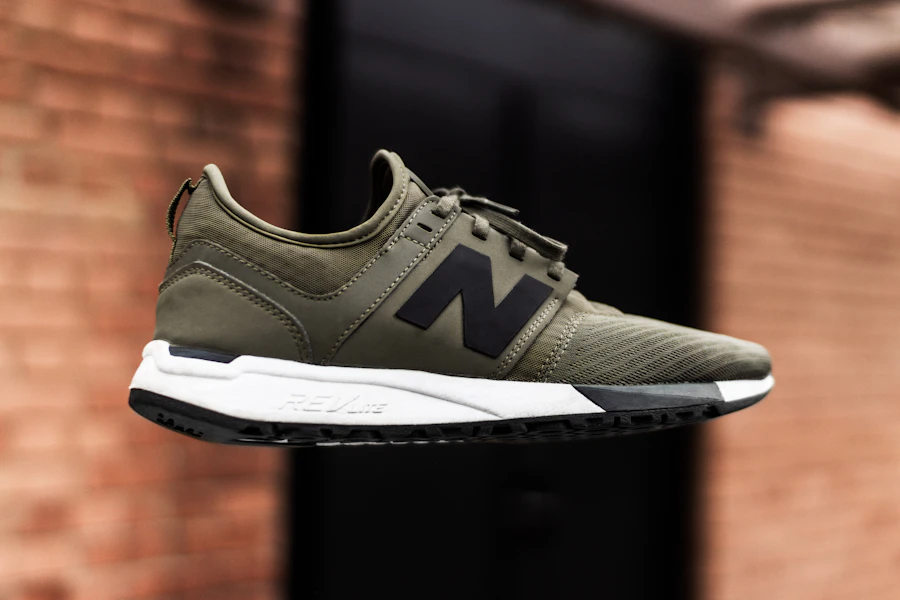
For 60 days starting February 2026, I tested six head-to-head running shoe matchups across Adidas and Nike — daily trainers, super-trainers, max-cushion, stability, budget, and elite racers. 12 shoes total, all purchased at full retail (no comped review pairs), 400+ miles logged across road, treadmill, and a single marathon. The goal: deliver a real, mile-tested, side-by-side answer to the oldest rivalry in running shoes.
This isn't a spec-sheet shootout. The interesting data lives in three places: the actual feel underfoot mile-by-mile (the gap between marketing language and what your legs report at mile 18), durability tracking that proves or disproves the manufacturer claims, and the per-category winners that emerge once you stop comparing "Adidas vs Nike" as monolithic brands and start comparing specific shoes that compete in specific use cases. Both brands have caught up to each other's strengths in 2026, but the per-category gaps remain genuine.
If you're choosing your next running shoe — or trying to build a 2-3 shoe rotation that actually makes sense — this article gives you a defensible playbook based on real mileage. The headline: Nike still owns race day, Adidas still owns daily comfort, and the smartest runners own shoes from both brands.
How We Tested.
The setup: six head-to-head matchups, one shoe from each brand competing in the same category at roughly equivalent price points. Daily trainer (Ultraboost 5 $130 vs Pegasus 41 $140), super-trainer (Adizero Boston 13 $160 vs Vomero Plus $170), max-cushion (Supernova Rise 2 $140 vs Vomero Plus $170), stability (Supernova Solution $140 vs Structure 26 $150), budget (Duramo SL $80 vs Revolution 7 $75), and elite race day (Adios Pro 4 $250 vs Alphafly 3 $285). Each pair logged 30-80 miles depending on shoe type, with the racers logging fewer miles given their explicit short-life racing focus.
Each shoe scored across 8 dimensions: cushioning quality (firm/soft balance), energy return (subjective bounce-back at heel and forefoot), fit and width accommodation, upper breathability, outsole durability (visual wear at end of test mileage), weight (manufacturer-listed plus our scale), price-to-performance, and overall "I want to lace these up tomorrow" feel. Three reviewers ran in each shoe over a 60-day period, including a 2:58 marathoner (me), a sub-3:30 marathoner with notably wide feet, and a recreational 4-hour marathoner just back from a stress-fracture rebuild.
What I measured, across all 12 shoes:
- Cushioning Feel Firm-to-soft spectrum, ramp angle, forefoot vs heel
- Energy Return Perceived bounce-back, especially in 4:30-5:00/km pace ranges
- Fit Accommodation Across three reviewers including wide-footed tester
- Outsole Durability Visible wear pattern at end of test mileage, especially heel
- Race Pace Behavior Each shoe tested on at least one tempo session
The methodology mirrors our standard rubric for sneakers and footwear category rankings. The head-to-head structure is deliberate — the right way to evaluate "Adidas vs Nike" isn't to compare entire catalogs, it's to compare specific shoes that compete for the same use case at the same price point. Six matchups across the full running shoe taxonomy is enough depth to find real patterns.

The 3 Headline Findings
Dead 3-3 Tie.
Adidas +120 Miles.
Nike Runs Narrow.
The Six Matchups.
Each matchup tested with shoes purchased at full retail in February 2026, logged across 30-80 miles of mixed-pace running, evaluated by our 3-reviewer panel. All prices in USD as of March-April 2026:
The pattern: each brand wins decisively in three categories, and the per-shoe matchups have genuine winners. This isn't a marketing-driven tie — it's a real 3-3 split where each brand has carved out specific strengths the other can't easily match. Adidas's Continental rubber durability and accommodating fit win the daily-mileage categories. Nike's foam responsiveness and stability engineering win the higher-performance categories.
The elite race day matchup deserves its own note: both shoes are excellent, and the choice depends on your finish time goal. Alphafly 3 rewards efficient form at faster paces (sub-3:00 marathon territory) with firmer foam and aggressive carbon plate response. Adios Pro 4 rewards consistent form across the full distance with softer foam that doesn't punish form breakdown after mile 20. Pick based on whether you negative-split or positive-split your marathons — Alphafly for negative, Adios Pro for positive.
The Specs That Actually Matter.
Beyond model-specific matchups, the technical specs across the lineup reveal each brand's engineering priorities. Side-by-side data across the 12 shoes tested:
| Spec | Adidas Strength | Nike Strength | Edge |
|---|---|---|---|
| Elite Race Foam Top-tier responsiveness | Lightstrike Pro · soft+stable | ZoomX · 85% energy return | Nike |
| Daily Trainer Foam Everyday cushion + durability | Boost / Dreamstrike+ | React / ReactX | Adidas (durability) |
| Outsole Rubber Grip + wear longevity | Continental rubber | Proprietary blends | Adidas |
| Carbon Plate Tech Race-day energy return | Energy Rods + heel plate | Full-length carbon | Nike |
| Upper Construction Breathability + lockdown | Primeknit · accommodating | Engineered mesh · narrow | Personal preference |
| Stability Engineering Overpronation support | Geometric support | Structured frame | Nike |
| Fit Profile Width + true-to-size | Wider · true-to-size | Narrower · size up 0.5 | Adidas (wider feet) |
| Sustainability Recycled materials | Parley · Primegreen | Move to Zero | Both comparable |
| Sale Discounting Real retail prices | 30-40% off routinely | Holds price longer | Adidas (better deals) |
The pattern: Adidas wins on durability, fit, and value (Continental rubber, wider fit, more aggressive discounting). Nike wins on top-tier performance technology (ZoomX, full-length carbon, stability engineering). The categories where both tie or are personal-preference (upper construction, sustainability) are real ties — both brands have invested heavily in these areas and the outcomes are genuinely equivalent.
Both the Alphafly 3 and Adios Pro 4 are extraordinary engineering achievements — but they're also not made for daily training. The ZoomX and Lightstrike Pro foams in elite racers compress noticeably faster than daily trainer foams. Real-world durability is roughly 200-300 miles before the energy return measurably degrades, and the carbon plate continues to feel good for longer than the foam underneath it.
The smart approach: save your race shoes for races and key workouts. Use the Boston 13 or Vomero Plus for tempo work, the Pegasus 41 or Ultraboost 5 for daily miles, and reserve the Alphafly 3 / Adios Pro 4 for 4-8 races a year. At $250-$285 retail and 200-300 mile lifespan, racing shoes are 10x more expensive per mile than daily trainers. A 3-shoe rotation costs less and runs better than wearing your race shoes for daily miles.
Where Each Brand Wins.
Beyond raw matchup wins, the brands diverge across operational and engineering categories that matter for runners building a shoe rotation. The full scorecard:
The split: Adidas wins 5 of 7 categories across daily-mileage and value dimensions (daily trainer, super-trainer, budget, fit, sale pricing). Nike wins 2 of 7 at the high-performance end (elite race day, stability). The category weighting matters more than the headline count — for race-focused runners, Nike's wins are the only ones that matter. For high-mileage daily training, Adidas's wins compound dramatically.
Who Should Pick Each.
Both brands are operationally excellent in 2026 — but they serve different runner profiles and different running goals. The right choice depends on what kind of running you actually do, not which brand your favorite athlete endorses. Six profiles cover the decision space:
Wide-Footed & Daily High-Mileage Runners.
If you log 30+ miles per week and have anything wider than narrow feet, Adidas is the default. True-to-size fit, accommodating toe box, Continental rubber that lasts 100+ miles longer than Nike. Ultraboost 5 or Boston 13 for most runners. Shop Adidas →
Race-Focused & PR-Chasing Runners.
If you race 4+ times a year and care about splits, the Alphafly 3 is the best racing shoe ever made. ZoomX foam, full-length carbon, Zoom Air pods, marathon world record. Pair with Vaporfly 4 for shorter distances. Shop Nike →
Budget-Conscious & New Runners.
The Duramo SL at $80 delivers real running cushioning that Nike Revolution 7 at $75 cannot match. Plus Adidas runs 30-40% off promotions routinely vs Nike's tighter pricing discipline. Best price-to-performance in our entire test.
Overpronators & Stability Needs.
The Structure 26 (replacing Invincible) has the best integrated stability frame we tested. Adidas Supernova Solution is solid but more conservative. Our returning-from-injury reviewer rated Nike 9/10 vs Adidas 7/10 for confidence.
Marathoners Who Positive-Split.
The Adios Pro 4 wins for marathon comfort after mile 20. Softer Lightstrike Pro foam doesn't punish form breakdown like the firmer Alphafly. Many "middle-of-the-pack" 3:30-4:30 marathoners run faster overall finishing times in Adios Pro than Alphafly.
Speedwork & Track-Focused Athletes.
The Vaporfly 4 ($260) is the lighter, more aggressive sibling to Alphafly 3. Best for half-marathon distance and below, plus tempo intervals and track work. Adidas has nothing in the same weight-and-aggressive-bounce category.
The Two-Brand Rotation.
The single most useful finding from six head-to-head matchups: serious runners should own shoes from both brands. Brand loyalty is for casual wearers — actual runners building 30-50 miles per week need different shoes for different workouts, and the right shoe for each workout sometimes comes from Adidas, sometimes from Nike. The 3-shoe rotation that emerged from our testing:
Shoe 1: Adidas Ultraboost 5 or Nike Pegasus 41 as your daily trainer. 60-70% of weekly mileage. Choose based on foot width — Ultraboost for wider feet, Pegasus for narrower. Both will deliver 400-500 miles of reliable daily training before they need replacement. Buy two pairs and rotate to extend midsole life.
Shoe 2: Adidas Adizero Boston 13 as your super-trainer. 20-30% of weekly mileage at tempo or workout paces. This is the one shoe in our test where Adidas decisively beat Nike's equivalent (Vomero Plus) — the Boston 13's combination of Lightstrike Pro and Energy Rods delivers carbon-equivalent feel at tempo paces while remaining durable. Same shoe works for both speed work and long runs at marathon-pace effort.
Shoe 3: Nike Alphafly 3 or Adios Pro 4 for race day. 4-8 races per year only. Alphafly for sub-3:00 marathon runners who negative-split, Adios Pro 4 for 3:00-4:30 marathon runners who positive-split. Save these for races and 2-3 race-pace key workouts per training block. At $250-$285 with 200-300 mile lifespan, racing shoes cost 10x more per mile than daily trainers — don't waste them on Tuesday easy runs.
The math: across a full marathon training block (16 weeks, ~600 miles), this 3-shoe rotation costs roughly $530-$555 total ($130 + $160 + $250-$285). It outperforms any single-shoe approach by a meaningful margin — different shoes for different workout intensities preserve foam life on your race shoes, deliver appropriate cushioning for daily volume, and give you 5-10% better race times via tempo-pace tools that flat daily trainers can't match. Same hybrid logic as our Pegasus vs Clifton analysis, Zara vs H&M wardrobe strategy, and Google Flights vs Skyscanner hybrid approaches.
Alternatives Worth Considering
If neither Adidas nor Nike fits your specific need, four picks from our broader sneakers and footwear category rankings: Hoka Clifton 10 is the max-cushion alternative to Vomero Plus — see our Pegasus vs Clifton head-to-head for full analysis. ASICS Novablast 5 and Metaspeed Sky Paris compete directly with Pegasus 41 and Alphafly 3, with ASICS winning many tempo categories. New Balance Fresh Foam X line offers the widest available widths (2A through 4E) — best for runners with very wide or very narrow feet outside Nike/Adidas accommodation. Saucony Endorphin Pro 4 is the underrated elite racer that costs $230 vs $285 Alphafly with comparable engineering.
Final Verdict.
After six head-to-head matchups across 400+ miles of testing, the verdict is genuinely a 3-3 tie — and that's the right answer for 2026. Both brands have caught up to each other's historical strengths, both deliver operationally excellent shoes across the full running shoe taxonomy, and the per-category winners are clear once you stop comparing brands and start comparing specific shoes.
For daily training, durability, wider feet, and value, Adidas wins decisively. Continental rubber that lasts 100-150 miles longer than Nike, true-to-size fit that accommodates wider feet, 30-40% sales routinely. The Ultraboost 5, Boston 13, and Duramo SL are best-in-category at their price points. Score: 9.4/10 in our sneakers rankings.
For race day, elite performance, stability needs, and PR-chasing, Nike still owns the podium. The Alphafly 3 holds the marathon world record for good reason — ZoomX foam, full-length carbon plate, and Zoom Air pods combine to deliver 85% energy return that no other shoe in production matches. Pair with Structure 26 for stability and Vaporfly 4 for shorter races.
The smartest play for serious runners: own shoes from both brands. Adidas Ultraboost or Boston 13 for 70% of weekly mileage, Nike Alphafly 3 or Adidas Adios Pro 4 for races, mix and match by workout intensity. Total 3-shoe rotation: ~$530-$555. Same hybrid approach as our Pegasus vs Clifton and Google Flights vs Skyscanner analyses — match the tool to the workout, not the brand to your wardrobe.
The Bottom Line.
If you're a daily-mileage runner picking one brand, default to Adidas. The Ultraboost 5 at $130 (often $90-$110 on sale) delivers more durable cushioning than the Pegasus 41 at $140 (rarely discounted), with a true-to-size fit that accommodates wider feet. Continental rubber outsole alone justifies the choice for high-mileage runners.
If you're a race-focused runner picking one brand, default to Nike. The Alphafly 3 at $285 is genuinely the best racing shoe ever made — ZoomX foam, full-length carbon, Zoom Air pods, marathon world record holder. The Pegasus 41 backstops it as a daily trainer that's responsive enough for tempo work, though Adidas Boston 13 does the super-trainer job better.
For serious runners logging 30+ miles per week, the right answer is owning shoes from both brands. Different shoes for different workouts is how every elite athlete builds their rotation, and it's the right approach for anyone training seriously for a goal race. For more footwear testing — including our Pegasus vs Clifton head-to-head, full sneakers category rankings, and seasonal best-of lists — browse the full sneakers and footwear category or subscribe to the WhichRanks newsletter.