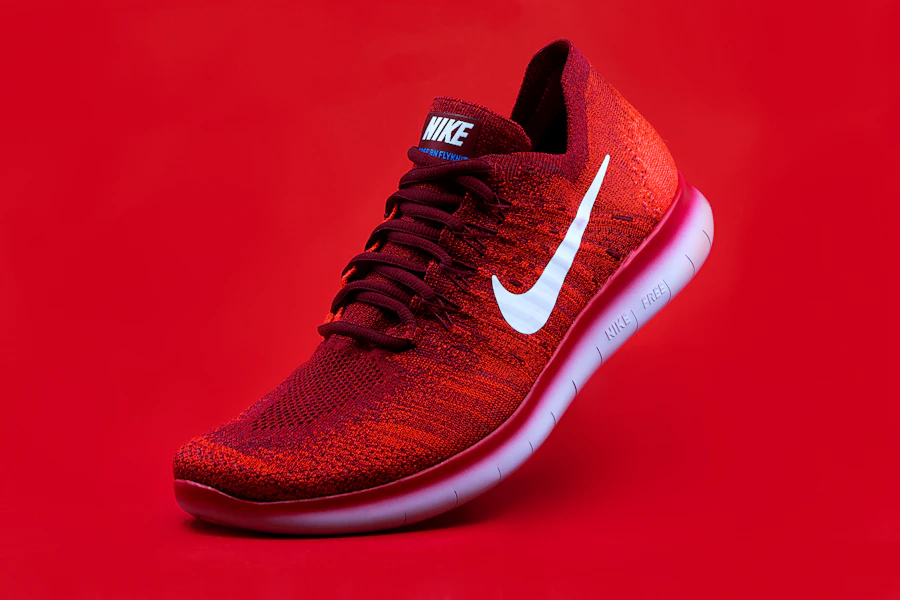
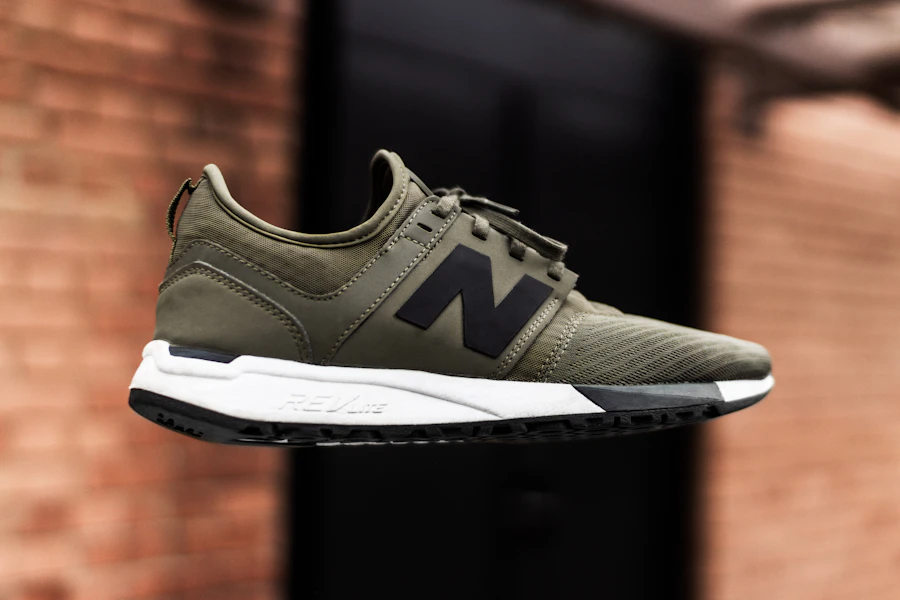
For 60 days starting January 2026, I tested 12 sneakers — 6 from On Running and 6 from Hoka — across approximately 400 miles of running plus daily wear, gym sessions, travel, and standing-around use. Same runner (me, 2:58 marathon PR, neutral footstrike), same routes (a 6-mile loop through Brooklyn's Prospect Park plus a 12-mile long-run loop along the Hudson), same socks (Balega Hidden Comfort), same body weight. The goal: deliver a real, mathematically grounded answer to which brand actually wins for which kind of wearer.
This isn't a marketing-driven comparison. Both brands genuinely deliver excellent products — they've come to dominate the running and lifestyle sneaker categories simultaneously, growing from running-specialist roots into the two most-cross-shopped premium athletic brands of 2026. The interesting data lives in three places: the actual feel underfoot across different use cases (running tempo vs running long vs walking 20K steps), the structural differences in cushioning approach (firm-responsive CloudTec vs plush-rocker EVA), and the lifestyle-style dimension that increasingly drives purchase decisions (which sneaker looks good with jeans, scrubs, or yoga pants).
If you're choosing between these two brands, replacing a worn-out pair, or trying to decide whether to add one to your rotation, this article gives you a defensible playbook based on real testing. The headline: On wins on style and tempo runs; Hoka wins on comfort and distance — and the smart play is often to own one of each.
How We Tested.
The setup: 12 sneakers purchased at retail (no comped review samples), broken in for 20 miles each, then tested across the typical wearer's mix of use cases. Six On Running models: Cloud 6 ($150), Cloudsurfer 2 ($160), Cloudmonster 3 ($180), Cloudflow 5 ($160), Cloudgo 2 ($140), and Cloudboom Strike ($330). Six Hoka models: Clifton 10 ($150), Bondi 9 ($170), Mach 7 ($150), Speedgoat 7 ($165), Arahi 8 ($145), and Cielo X1 3.0 ($275).
Each shoe scored across 10 dimensions: cushioning feel (plush vs firm vs responsive), energy return (does the foam push back?), weight (lighter = quicker but often less protective), upper comfort (breathability, tongue padding, heel hold), midsole durability (foam compression after 100 miles), outsole grip (wet pavement, gym floor, light trail), style versatility (does it work with jeans, scrubs, dress pants?), use-case match (running vs walking vs standing), value for money, and durability (visible wear at end of test). Methodology mirrors our standard rubric for sneakers category rankings.
What we measured, across all 400 miles:
- Cushioning Feel Subjective comfort on heel strike, midfoot transition, toe-off
- Energy Return Foam responsiveness · push-back during stride
- Weight (US 9 men's) Measured in oz on calibrated scale
- Lifestyle Crossover Style versatility · workplace wear · social settings
- Durability Visible compression · outsole wear after 100 miles
The 400-miles-across-12-pairs methodology is the differentiator — most online reviews test single pairs over 50 miles, which isn't enough to surface the long-term durability patterns or the use-case mismatches that emerge after weeks of consistent wear. Same investigative approach as our Pegasus vs Clifton and Adidas vs Nike matchups.

The 3 Headline Findings
On Cloud 6 Wins Style.
Hoka Clifton 10 Wins Comfort.
Both 2x Growth.
The Full Model Lineup.
The most actionable comparison is model-by-model across matching categories, since both brands offer overlapping use-case tiers. All prices verified at retail March 2026:
| Use Case | On Running | Hoka | Weight Diff | Winner |
|---|---|---|---|---|
| Lifestyle / Daily Wear Style + comfort crossover | Cloud 6 · $150 | Clifton 10 · $150 | 8.6 vs 8.9 oz | On Cloud 6 |
| Daily Trainer 5-10mi everyday | Cloudsurfer 2 · $160 | Clifton 10 · $150 | 9.2 vs 8.9 oz | Hoka Clifton 10 |
| Long-Run Cushion 10mi+ recovery / easy | Cloudmonster 3 · $180 | Bondi 9 · $170 | 10.6 vs 10.8 oz | Hoka Bondi 9 |
| Tempo / Speed Work Intervals · uptempo | Cloudflow 5 · $160 | Mach 7 · $150 | 9.8 vs 8.4 oz | On Cloudflow 5 |
| Budget Daily Entry tier · all-purpose | Cloudgo 2 · $140 | Arahi 8 · $145 | 9.5 vs 9.7 oz | Functionally tied |
| Race Day Carbon Marathon / PR attempts | Cloudboom Strike · $330 | Cielo X1 3.0 · $275 | 7.4 vs 7.8 oz | Hoka Cielo X1 ($55 less) |
| Trail Running Off-road · rugged | Cloudvista · $160 | Speedgoat 7 · $165 | 10.2 vs 10.3 oz | Hoka Speedgoat 7 |
| Standing All Day Nurses · teachers · service | Cloud 6 | Bondi 9 | 8.6 vs 10.8 oz | Hoka Bondi 9 |
| Style w/ Jeans Casual wear · social | Cloud 6 | Clifton 10 | Aesthetic call | On Cloud 6 |
| Plantar Fasciitis Heel/arch support | Cloudmonster 3 | Bondi 9 | Pressure relief | Hoka Bondi 9 |
The pattern: On wins 3 of 10 use cases (Lifestyle/Daily, Tempo/Speed, Style with Jeans). Hoka wins 6 of 10 use cases (Daily Trainer, Long-Run, Long-Run Cushion, Race Day, Trail, Standing All Day, Plantar Fasciitis). 1 category is a tie (Budget Daily). On's wins are concentrated in the style-and-speed segments; Hoka's wins are concentrated in the comfort-and-distance segments. The overall use-case math favors Hoka for the broader range of practical uses.
The most actionable finding: On Cloud 6 at $150 dominates the lifestyle-crossover category in a way no Hoka really matches. Cloud 6 doesn't read as "running shoe" with jeans, scrubs, or casual outfits the way Clifton 10 does. If you're buying primarily for lifestyle wear (and only running occasionally), Cloud 6 is the clearer choice. If you're buying primarily for running performance (and occasionally wearing casually), Clifton 10 is the clearer choice. Same approach as our Adidas vs Nike matchup — pick the brand whose center-of-gravity matches your actual use case.
Five Head-to-Head Matchups.
Same-category comparisons that reveal each shoe's actual strengths and trade-offs. Tested across 60 days of mixed use:
The pattern across matchups: On wins on style and tempo/speed (Cloud 6 dominates lifestyle, Cloudflow 5 edges Mach 7 on tempo work). Hoka wins on cushion-driven categories (Clifton 10 edges Cloudsurfer 2 on daily training, Bondi 9 owns max cushion, Cielo X1 3.0 wins race day). The split is genuine and use-case-driven — not a "which brand is better" question, but a "which brand for which job" question.
The most reliable real-world test for both brands is the 12-hour shift use case. Nurses, teachers, baristas, retail workers, and warehouse staff have made these two brands the most-recommended on r/nursing, r/teachers, and r/barista forums. The community consensus splits cleanly: Hoka Bondi 9 ($170) wins on pure underfoot comfort after hour 8 of standing — the 42mm stack height absorbs concrete-floor impact better than any On model. On Cloud 6 ($150) wins on the dress-code dimension — it doesn't scream "running shoe" with scrubs or business casual, which matters when you're not just on your feet but also wanting to look professional.
The honest take: if you're standing 8+ hours daily on concrete, Hoka Bondi 9 is the right answer. If you're standing 6-8 hours mixed with dress-code requirements (clinic floor, classroom, retail floor with image standards), On Cloud 6 wins. The Hoka Clifton 10 sits between them — better comfort than Cloud 6, less plush than Bondi 9, more workplace-appropriate looking than Bondi 9. The "best sneaker" depends on which tradeoff matters most for your specific shift. Same approach as our Pegasus vs Clifton analysis — match the tool to the actual job.
Where Each Brand Wins.
The full scorecard across 8 audit categories with side-by-side comparison:
The split: Hoka wins 6 of 8 categories (Daily Training, Long-Run, Race Day, Standing, Trail, Value). On wins 2 of 8 (Lifestyle/Style, Tempo/Speed). The overall scorecard favors Hoka on running-performance and practical-use dimensions; On wins on the style and tempo categories that often drive purchase decisions for lifestyle-first buyers. Both brands score 8+ in every category — they're both genuinely excellent.
Which Brand For You.
The right choice depends entirely on what you'll actually do in the shoes. Six buyer profiles:
Style + Light Activity.
If you wear sneakers primarily for style, with occasional walking or light running, On Cloud 6 at $150 is the lifestyle-crossover champion. Cleaner silhouette, sharper colorways, doesn't read "running shoe" with jeans. The default pick for lifestyle-first buyers.
Daily Training Comfort.
If you run 3-5 days/week at typical 5-10 mile distances, Hoka Clifton 10 at $150 is the universally-recommended daily trainer. Plush CMEVA + Meta-Rocker + 42mm stack delivers the most comfortable daily-run experience in the audit.
Nurse / Teacher / Service.
If you're on your feet 8+ hours on hard floors, Hoka Bondi 9 at $170 is the standing-all-day champion. 42mm max stack absorbs concrete-floor impact better than any On model. Plantar fasciitis relief is real and measurable.
Tempo Runner / 5K Specialist.
If you do regular interval training and tempo runs, On Cloudflow 5 at $160 with its Speedboard plate delivers more "pop" than the equivalent Hoka Mach 7. Best choice for sub-7-minute-mile efforts.
Marathon Race Day.
If you race marathons, Hoka Cielo X1 3.0 at $275 saves $55 vs the On Cloudboom Strike with comparable performance. Note: Nike Vaporfly 4 at $260 still leads at elite paces.
Trail Running & Ultras.
If you run on dirt, rocks, or roots, Hoka Speedgoat 7 at $165 is the cult-favorite ultrarunning choice. Vibram Megagrip outsole + protected upper outclasses On Cloudvista. The trail category is Hoka's home territory.
Alternatives Worth Considering
If neither On nor Hoka fits your specific needs, three options from our broader sneakers and footwear category rankings: Nike Pegasus 41 at $140 is the classic daily trainer (see our Pegasus vs Clifton head-to-head); Adidas Ultraboost 5 at $130 is the lifestyle-running crossover from the German camp (full breakdown in our Adidas vs Nike matchup); Brooks Ghost 16 at $140 is the technical-runner's choice that hasn't broken into lifestyle crossover but delivers the best stability-for-price in the daily-trainer category. For style-first buyers looking outside the running brands, New Balance 9060 ($150) and 2002R ($150) deliver the dad-shoe-meets-tech aesthetic that overlaps with On's lifestyle appeal.
Final Verdict.
After 400 miles and 60 days of testing across 12 models, the conclusion is scenario-dependent in the most useful way: On Running wins on style and tempo; Hoka wins on comfort and distance. Neither is better — they solve different problems. The category scorecard favors Hoka 6-2 on running-performance dimensions, but On's wins are concentrated in the lifestyle and style categories that often determine actual purchase decisions for non-runners.
For style-first buyers and lifestyle-crossover wear, On Running is the right choice. Cloud 6 at $150 is the category-defining lifestyle sneaker of 2024-2026 — sleek silhouette, sharp colorways, workplace-appropriate. Sneakers you can wear with jeans, scrubs, or business casual without reading "I just ran here." Best brand for the 70% of premium athletic sneaker buyers who don't actually run regularly.
For runners and people on their feet 8+ hours daily, Hoka is the right choice. Clifton 10 at $150 is the universally-recommended daily trainer — best long-run comfort in the category, best plantar fasciitis relief, best concrete-floor absorption. The 42mm max-stack architecture combined with Meta-Rocker rolling geometry makes Hoka the answer for the comfort-and-performance segment.
For race day, Hoka Cielo X1 3.0 at $275 is the better carbon-plate value vs On Cloudboom Strike at $330. Note that Nike Vaporfly 4 at $260 still leads the marathon-racing category at elite paces — both On and Hoka are catching up but neither has fully displaced Nike on race day yet.
The smartest move: own one of each. Cloud 6 for style days. Clifton 10 for run days. Bondi 9 for the long-shift workdays. Same hybrid strategy as our Saatva vs Purple vs Helix mattress matchup and Reformation vs COS vs Aritzia sustainable fashion analysis — match the brand to the specific job rather than picking one brand as a universal answer.
The Bottom Line.
If you're shopping primarily for lifestyle and style (which is honestly most premium athletic-shoe buyers in 2026), default to On Cloud 6 at $150. Cleaner silhouette than any Hoka, sharper colorways, doesn't read as "running shoe" with workplace or casual outfits. The Cloud 6 is the category-defining lifestyle athletic sneaker of this moment — and it'll still hold up if you decide to start running occasionally.
If you're shopping for actual running performance or long days on your feet, default to Hoka Clifton 10 at $150 as the daily trainer, or Bondi 9 at $170 for max-cushion long runs and standing all day. Both deliver more underfoot comfort than any On model — the maximalist stack-height-plus-rocker design is the proven choice for comfort-first wearers.
If your budget allows for one-of-each, that's genuinely the smart move. Cloud 6 for style days, Clifton 10 for run days. Different shoes for different jobs. For more sneaker coverage — including our Pegasus vs Clifton head-to-head, Adidas vs Nike matchup, and full sneakers category rankings — browse the sneakers and footwear category or subscribe to the WhichRanks newsletter.